
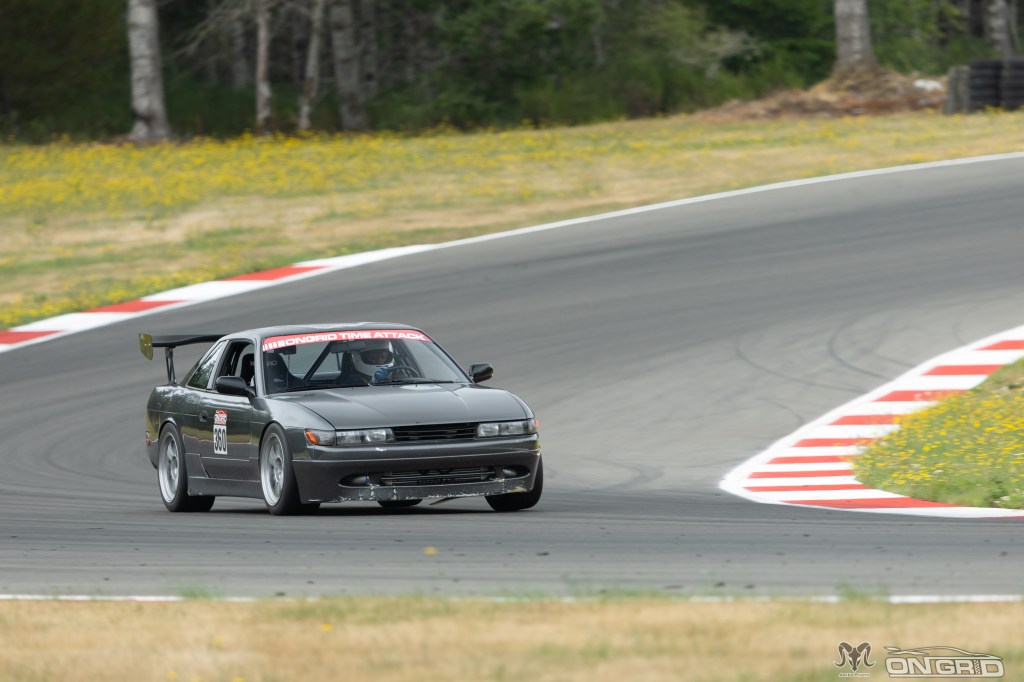
As a man of my word, it was time to hit the track.
I had initially mapped my first event to be a Friday/Saturday weekend with OnGrid, however a friend alerted me of an upcoming SCCA TNIA the week prior, and 3 sessions felt like a good amount of shakedown before thrashing the car in a competitive event for 10 sessions. So I took a half day at work and drove down on a beautiful afternoon for an evening of tracking.
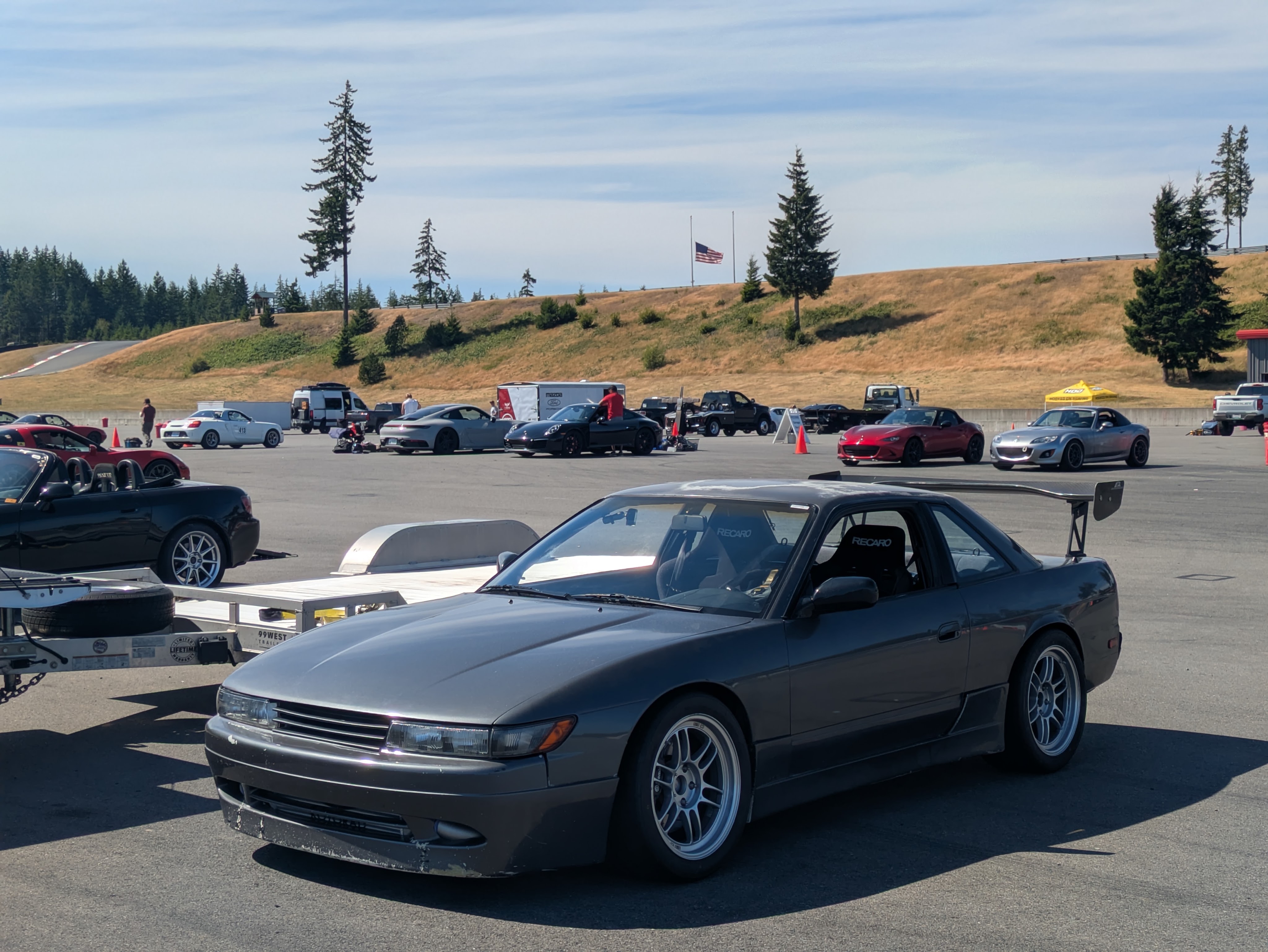
Writing about an experience like this never really seems worth the effort invested, as it is difficult to convey the overwhelmed range of emotions from actually doing the thing that you spent hundreds of hours and tens of thousands of dollars to accomplish.
Mentally, I was settled and had full confidence in the car. Everything was torqued, paint penned, and loctited according to what the situation demanded. There was no stone unturned, and I had done everything that I could to the best of my abilities.
Emotionally, I had a very difficult time reconciling that there was actually a payoff to all of this effort I had expended over the last several months. I’ve always fallen into the “if some is good, more is better” fallacy, but particularly when it comes to delayed gratification; More delay and more suffering has always signified more virtuous, when in fact, the point of the labor is to get the fruit. None of the exterior reinforcement and preparation could tip the scale versus my own internal sense that I didn’t deserve to enjoy it. Despite my internal conflicts, I warmed the car up and set that all aside in preparation for shakedown.
I had intentionally structured the day, both in arriving very early, and most critically, arriving alone. I knew I would be in the best spot mentally if I wasn’t trying to be social while shaking the car down and the nerves out. This self-imposed solitude was only disturbed by a good friend Jeff who had also decided to attend, and a singular person to talk to in between sessions felt like the right amount. It helps that Jeff owns a shop and has a few decades of experience in motorsports and we haven’t had time to catch up for a while.
After throwing in some rough shock settings and setting the tires based on some rough data I had from friends and forums, I strapped in and went out with one eye on the course and one eye on the temperature gauge.
It was everything I hoped for and more. Really getting to wring it’s neck with space to play revealed a tendency to understeer through big corners (later pinpointed for too much wing angle), however it was amazing to hit a straightaway and finally have some horsepower under my right foot versus all of my previous track cars.
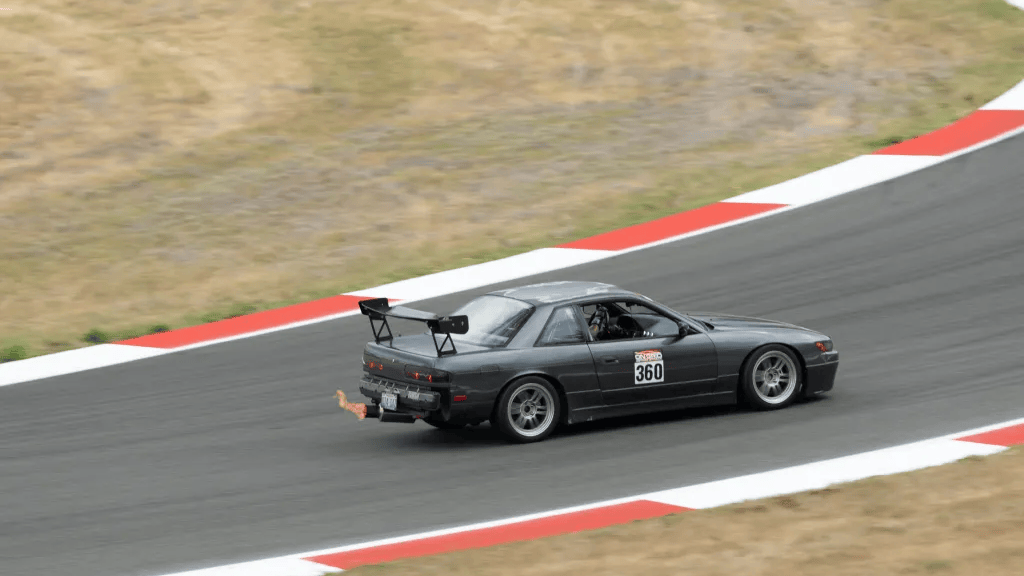
It was a dramatic, dynamic, and downright degenerate experience. I’m convinced the car spent as much fuel throwing fire shifting and off-throttle than it did consuming it under power. It was quite the show to be behind according to those who wandered over after sessions. The coolant temps never saw above 215 total system temperature, and the oil would come up to 260F over the course of a few laps, but then stabilize. Impressive for no oil cooler and no ducting.
While not all sunshine and rainbows, it was an overall positive experience. The three big takeaways were that the brakes were utterly terrifying in the first session as the Porterfield R4s needed to be bedded back in, the clutch still felt terrible, and the cooling system had developed an air/steam pocket, which would chuck the car into failsafe mode whenever that non-liquid entity would rush by the temperature sensor. Luckily it didn’t happen too often. I had also measured the coolant out wrong in the aftermarket coolant overflow bottle, so a lot of it was ending up venting out, while having problems syphoning back, which pointed to a bad radiator cap.
Narrator: This would not be the first of his cooling system issues.
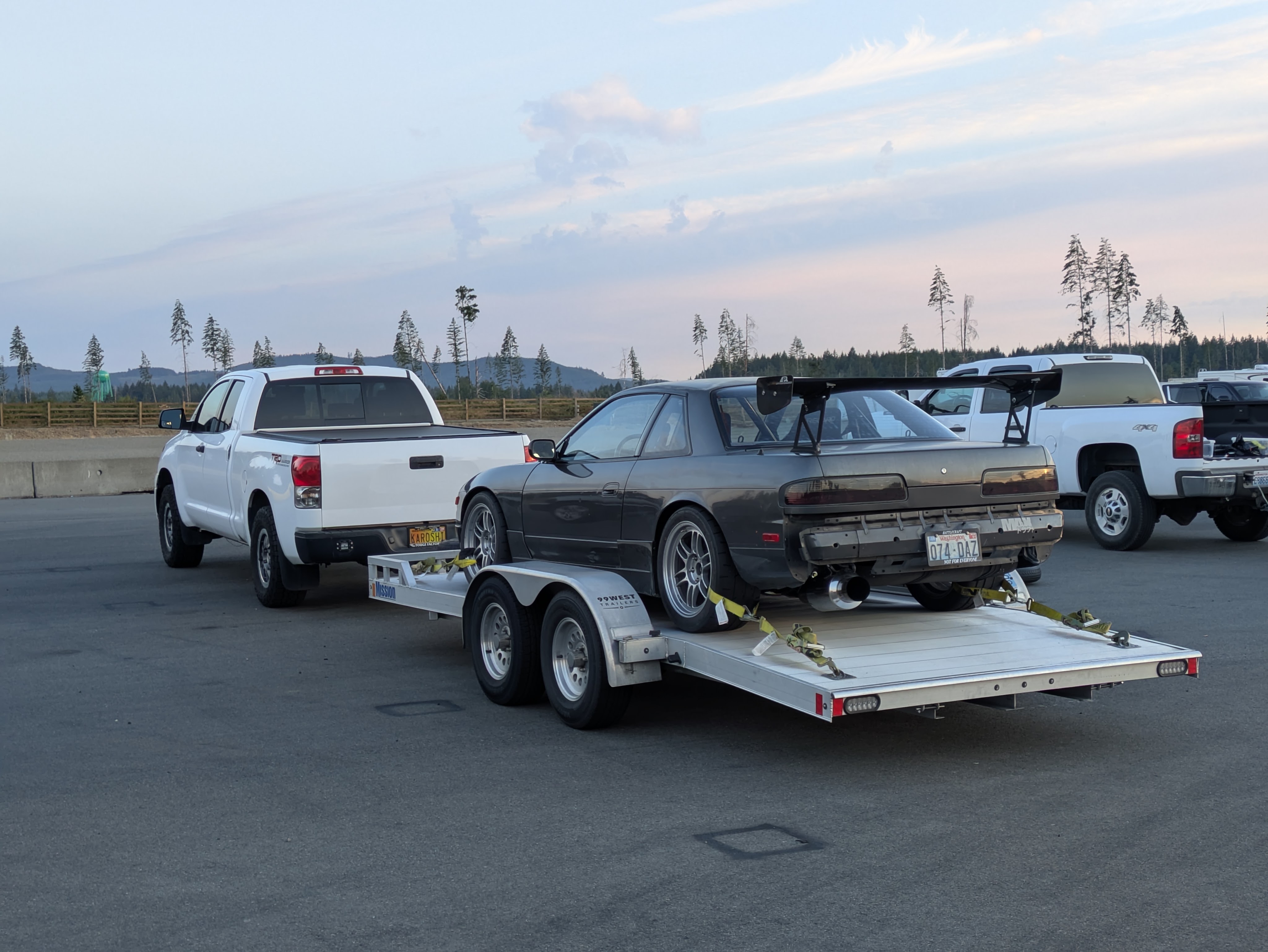
Despite these issues, the car still went a 1:52.5, which I was satisfied with for having almost no clean laps and only a few miles on the car. A great day with friends new and old was had, and the car drove on to the trailer at the end of the day, which is always a win.
I brought the car home and put it up on jacks to inspect everything. I was happy to see no loose bolts and no glaring mechanical issues. The coolant had thoroughly spread itself across the subframe, and the minor oil leak of unknown origin was slowly spreading. Another fluid of note was that the differential, containing the Nismo Mechanical 2 way bathed only in 0.9L of fluid, had been exhausting some excess fluid of the breather vent. Unsure if it was from pure heat and abuse or potentially just overfilled, I cleaned the housing and subframe off to get back to the baseline, and noted it as something to watch for in the future.
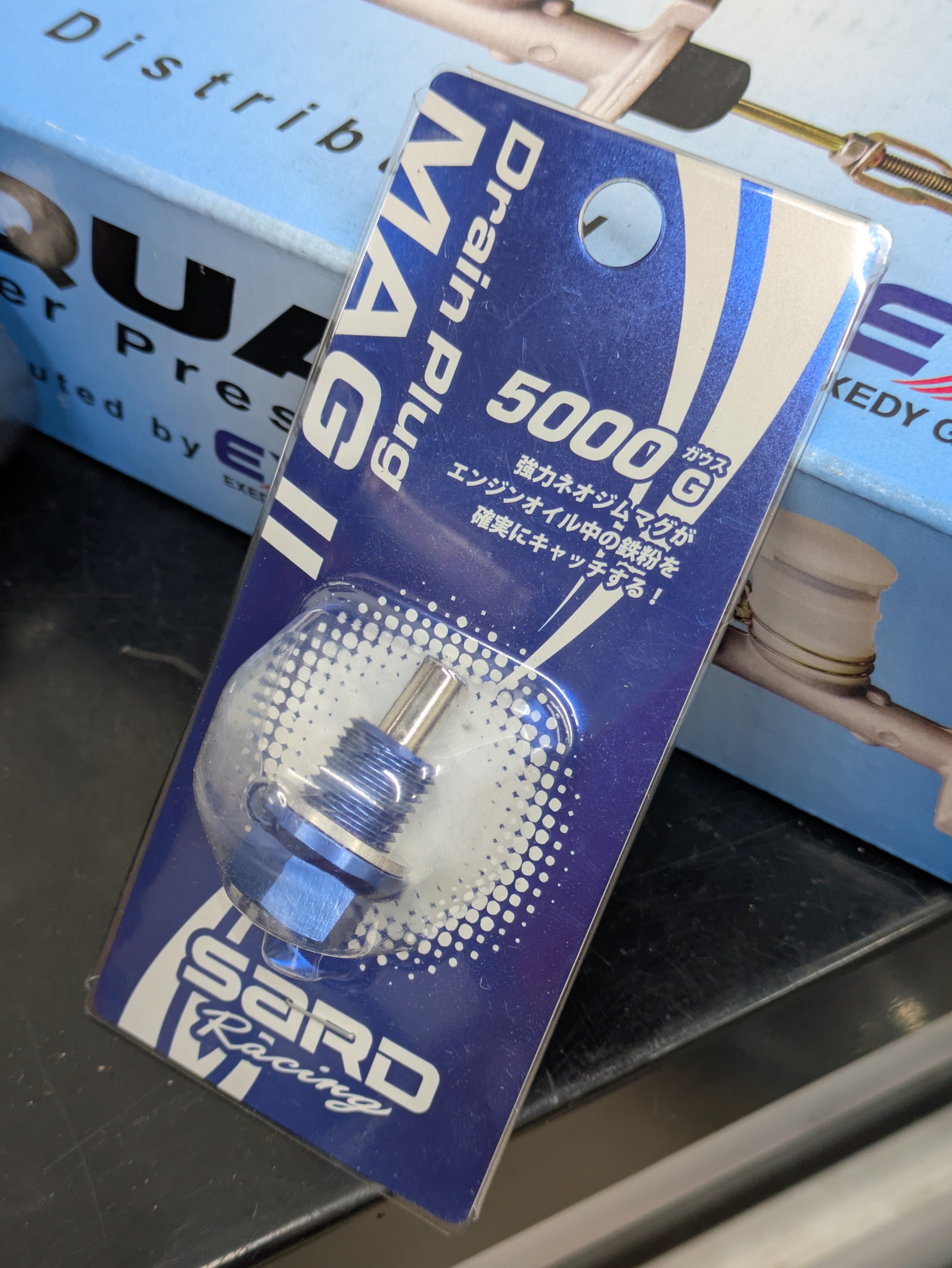
With one successful event under the car’s belt, I was prepping for the next one almost immediately. The car received it’s first and well deserved oil change, as this was the oil from the first start, as well as the dyno and now a half track day. I opted to run the car on Valvoline VR1 for now, as it has proved to be plenty durable as a race-oriented oil, and its availability and cost made it an undeniable conteder. I am in the camp of more frequent oil changes with a lesser oil versus feeling like you need to ride a more expensive oil for a longer interval.
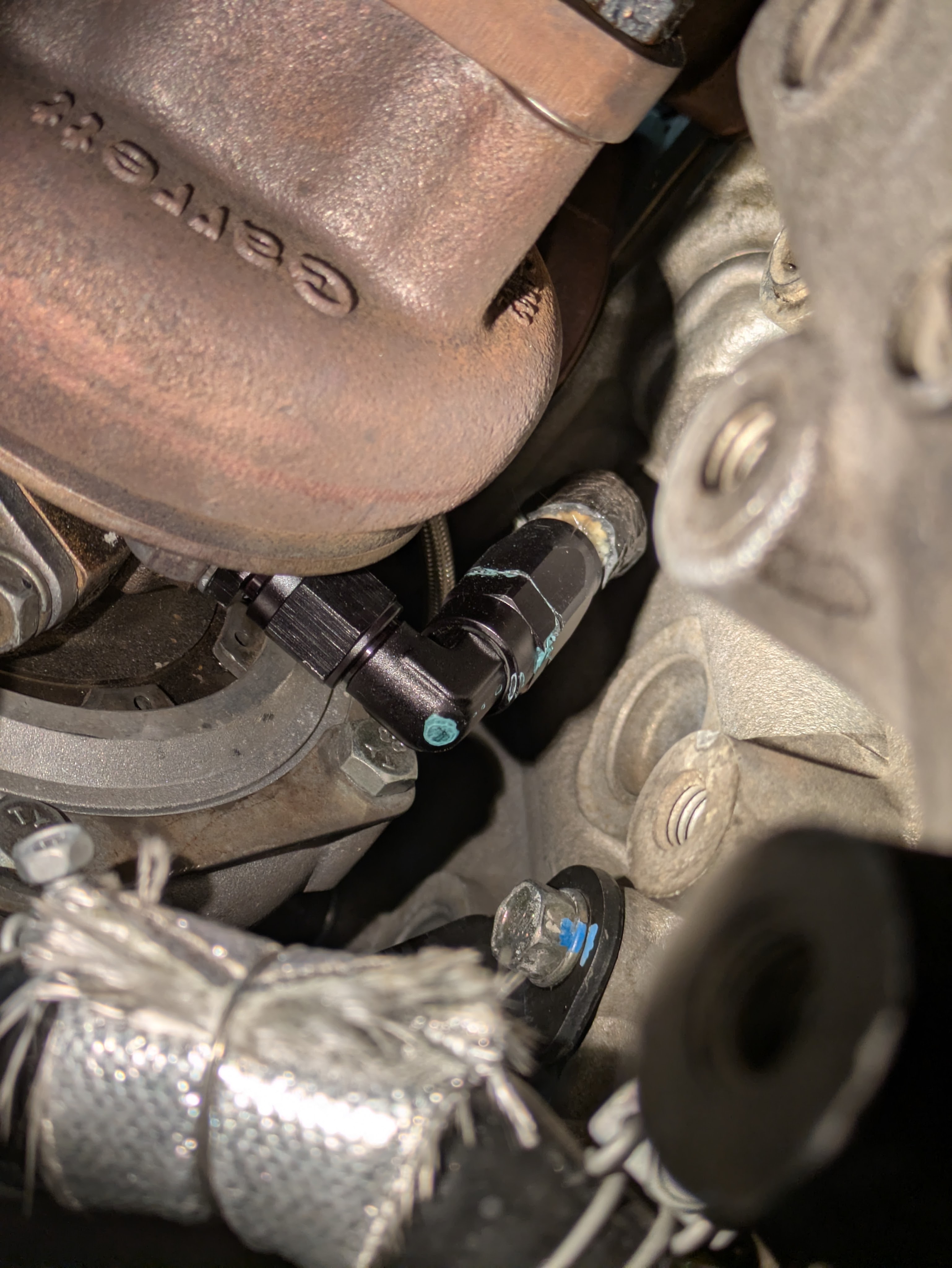
I had also been monitoring an incredibly slow weep from a defective coolant fitting in the Faction turbo line kit. It was not even remotely enough to consider changing at this moment, and Frankie offered to replace the fitting free of cost as this was the first time they had seen the fitting fail. Luckily the glycol crystals made diagnosis of the origin incredibly easy in this case, as it was clearly not an issue with the 37* sealing face, but rather the ferrule connection with the fine threads. I cleaned it off and proceeded on.
After bleeding the coolant again and ensuring the level was sufficient, the car was ready for duty once again. I took it on a short trip that weekend to verify the state of the union, only to have the clutch system entirely die on the drive there and back. Totally inconsistent clutch pressure led me to floating gears pretty much the entire journey, which the transmission did not deserve. My second brand new master cylinder later, and the car was back up and going. Better on the street than at the track.
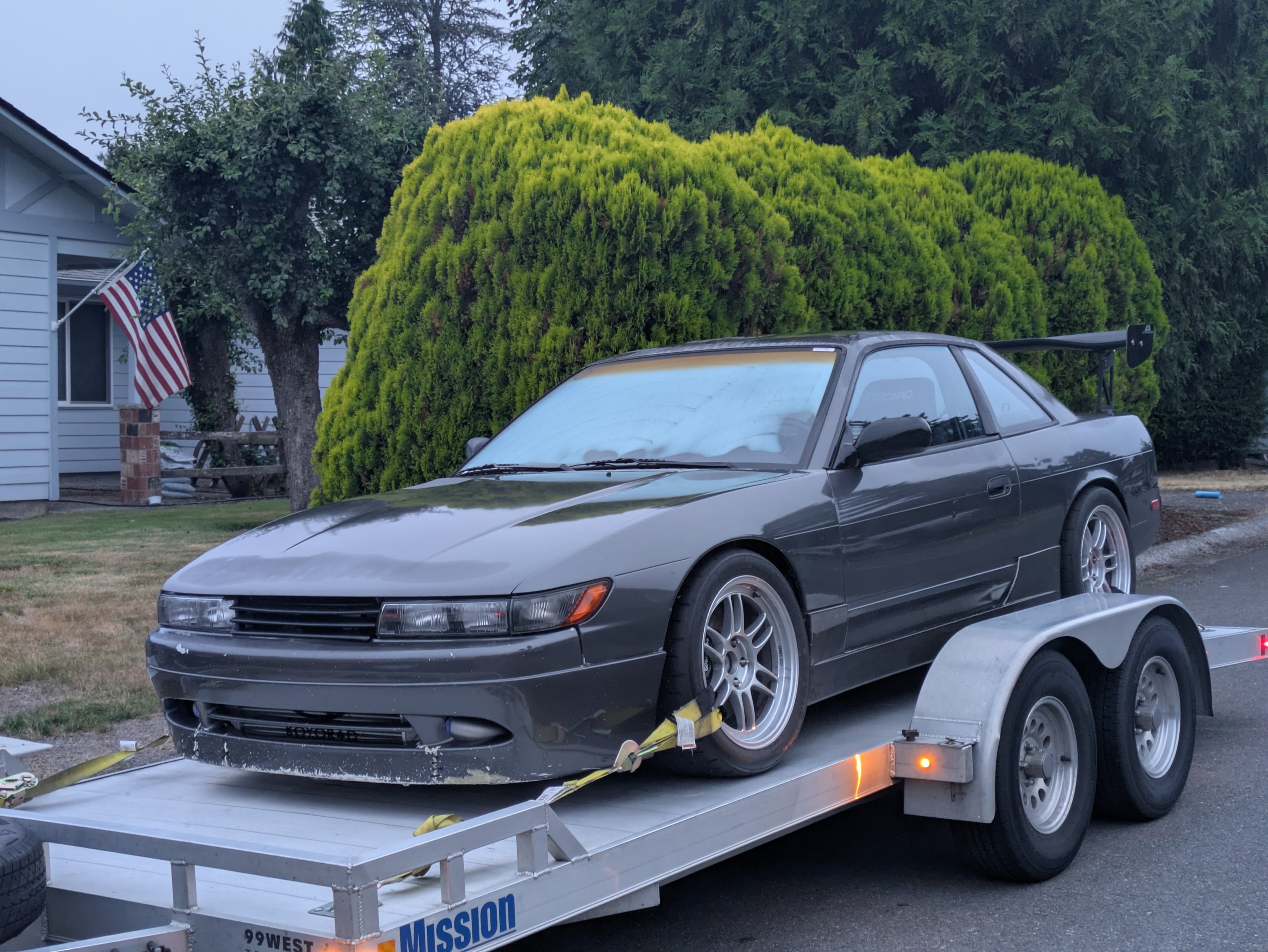
The car was once again ready to go back out, so it got its first real wash since all the work was completed, and loaded on the trailer for a hard weekend of abuse.
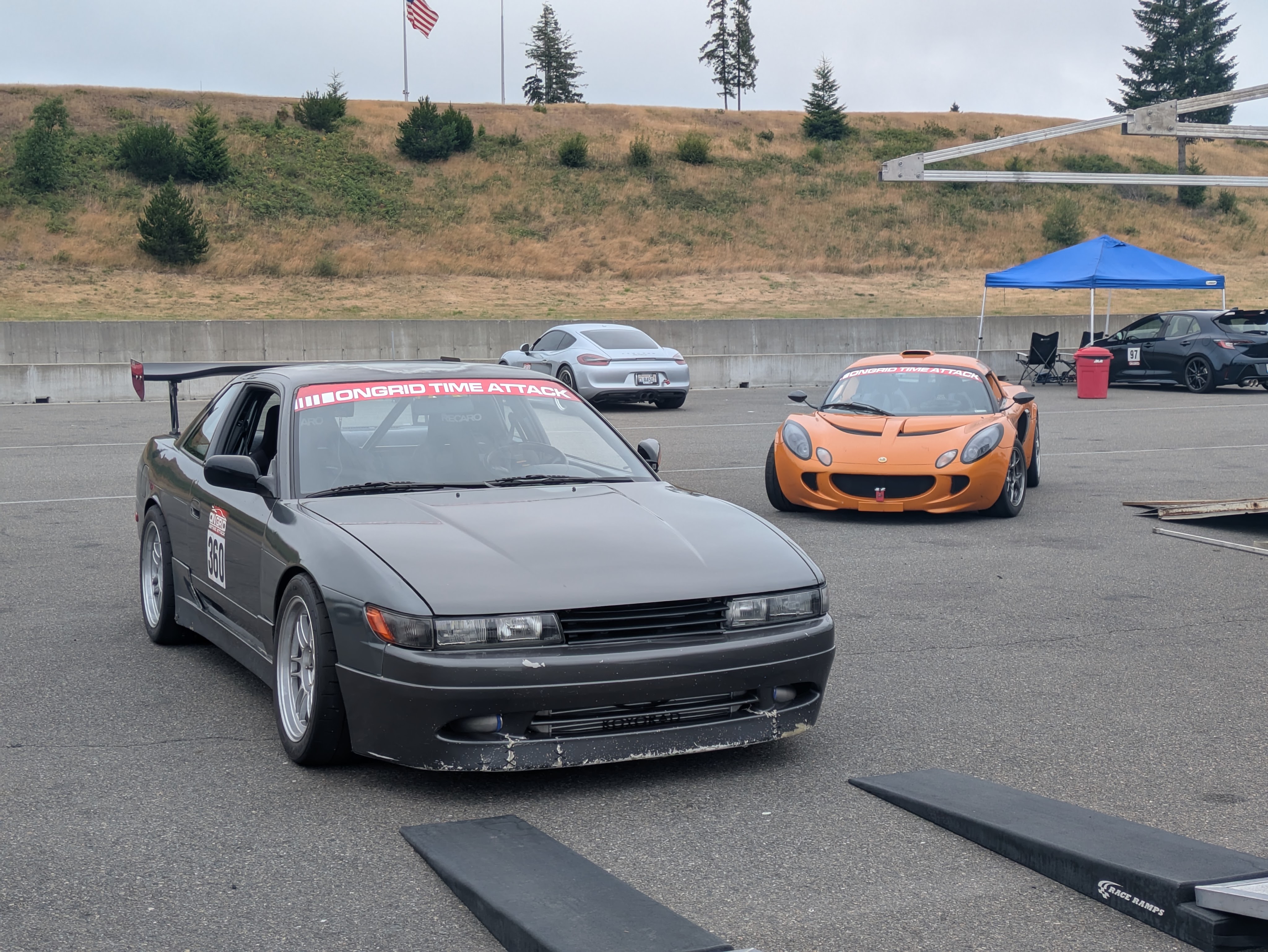
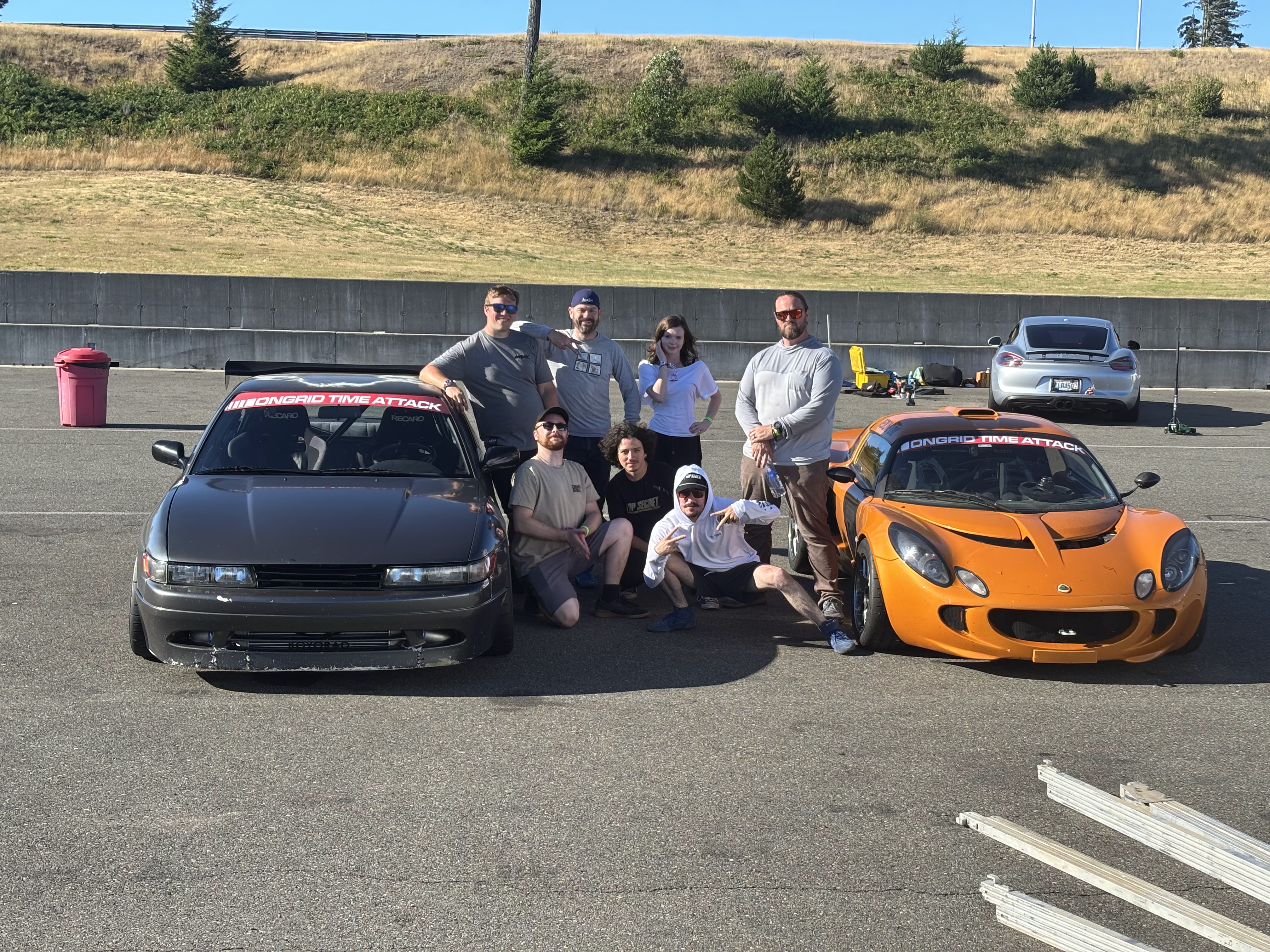
After arriving to the track, I threw on the mandated door cards and banner for OnGrid Time Attack. I wasn’t concerned about the competitive aspect, however it was cheaper than HPDE at the time of sign up and guaranteed more clean laps than a normal DE session. I was chasing that benchmark fast lap of a sub 1:50, so clean laps sounded real nice.
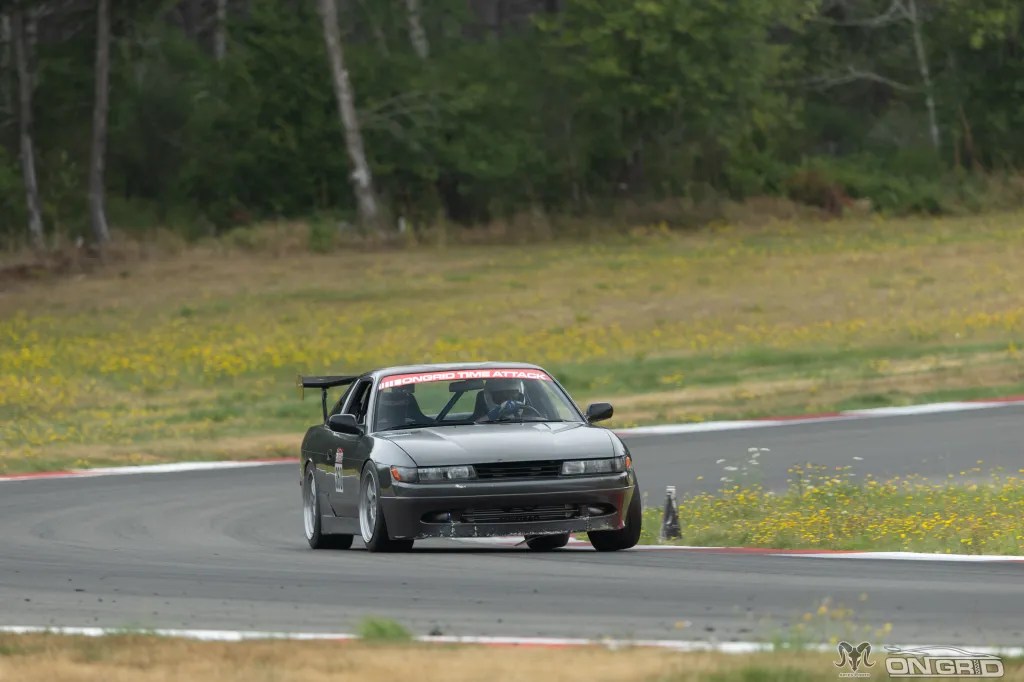
The car performed roughly the same mechanically as the prior event, albeit with a more noticeable coolant bubble generating issue. I resorted to refilling/rebleeding the car in between sessions, but with that exception, the car did what it was built to do. Consistent, fast laps, the temps stayed down, and it hauled ass and was a blast to drive.
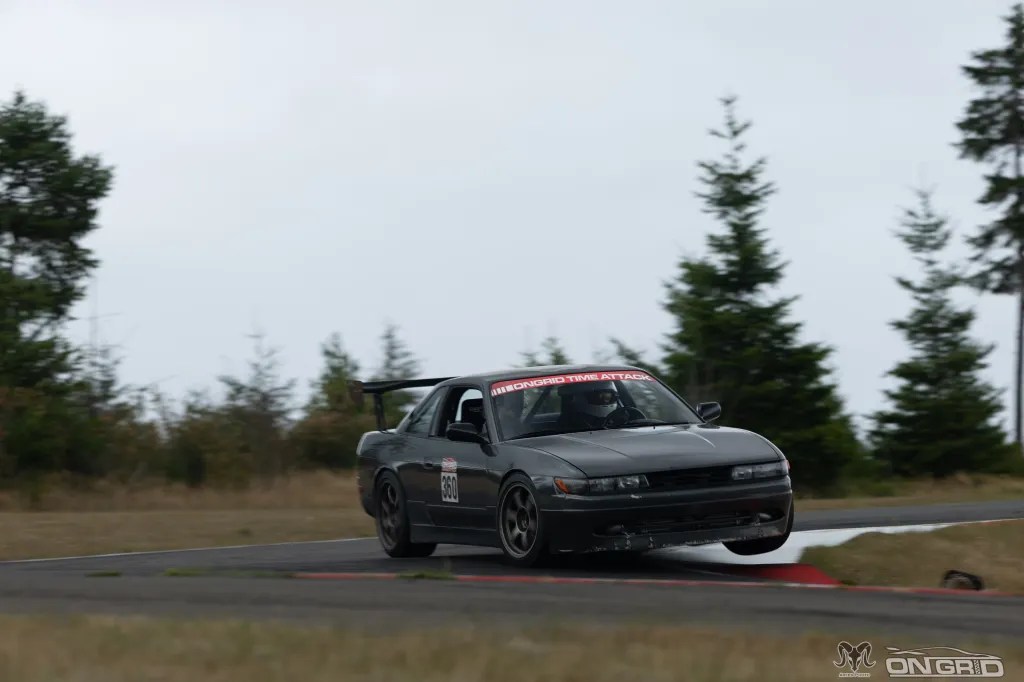
With the better weather in the morning, the car (and driver) managed a 1:50.9 with only a few laps strung together. The sun came out, air temps rose, and so did lap times as is to be expected. I spent the rest of my day having an amazing time with friends, and switched from Nankang CR-Ss to RT615k+s for the afternoon HPDE sessions. We took some more AOA out of the wing and the balance became far better, but it is still not as active or playful as I usually prefer.
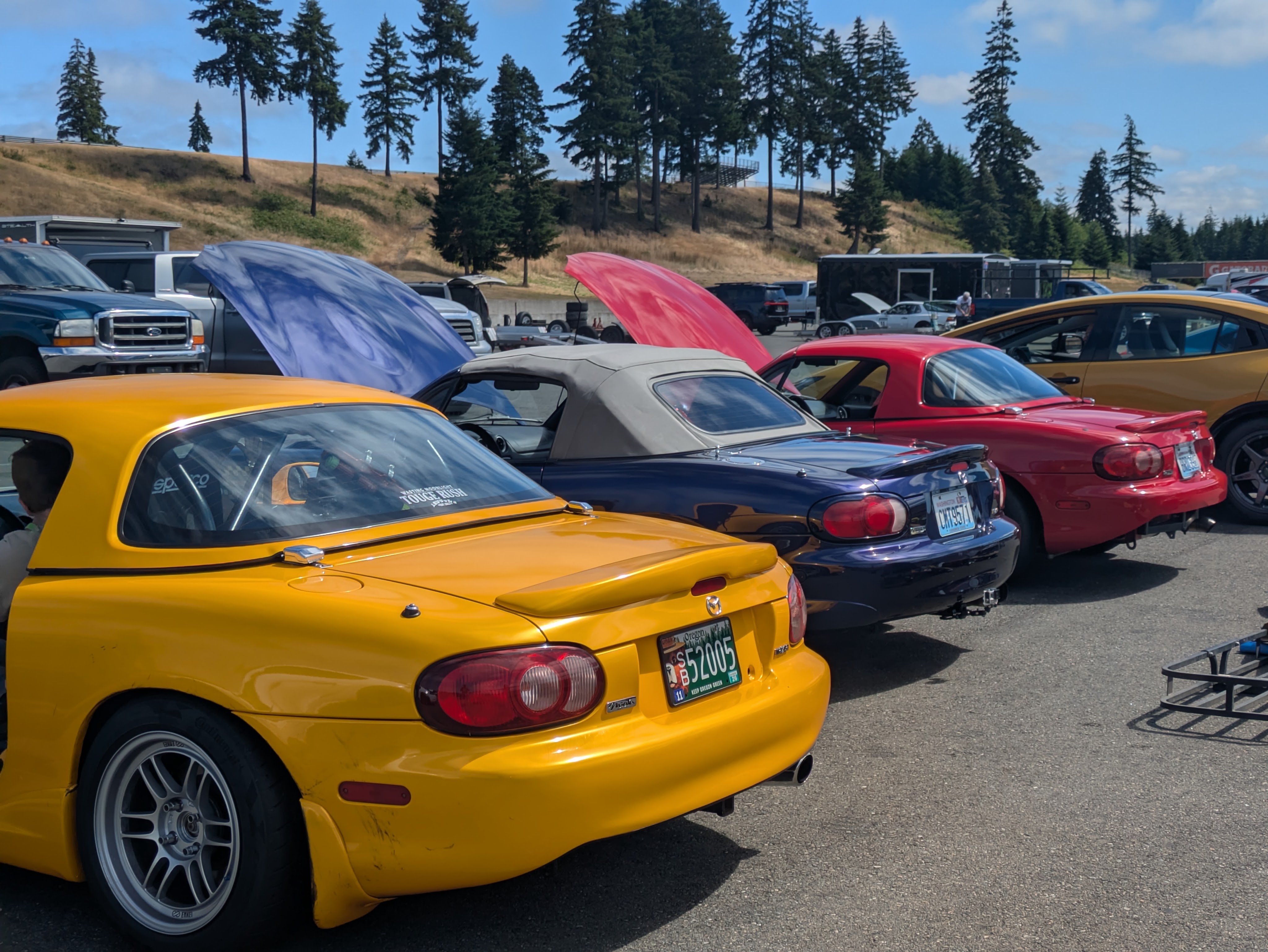
The following day was more of the same, and once again the car drove on the trailer with minimal woes outside of the cooling system problems. My mechanical scuffles were nothing compared to my friends and fellow attendees, mainly Lucas who grenaded a radiator on the second session of the first day, but there were many problems experienced by a wide swath of people. Luckily, my car drove happily on to the trailer.
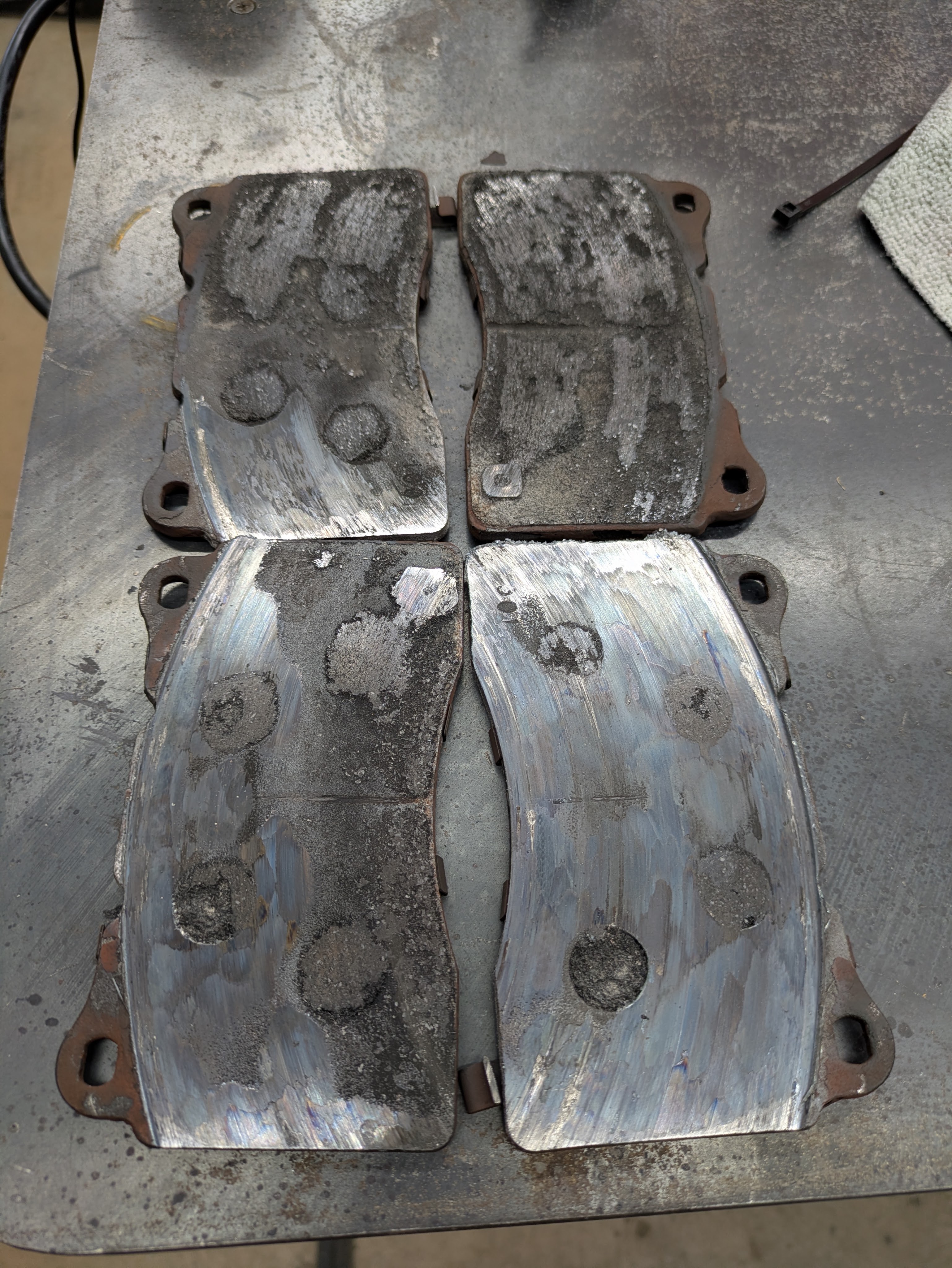
With the car home safely once again, it was time for inspection #2. I opted to skip the final HPDE session on the second day as it had begun raining, and I’m glad I did. What started out as 7-9mm of Porterfield R4 had been completely torched down to the backing plates; Basically no friction material remained despite the pedal feeling fairly normal.
I ordered some Hawk HP+ pads for the front to compliment the rears, mainly because they satisfy the “cheap” and “fast” aspects of the triangle of compromise. If only they were good. Whatever, I just needed some halfway ok street pads to do autoX with, but I know I wont be so enthusiastic with my choice once I have to clean the concrete-like brake dust off of the various wheels.
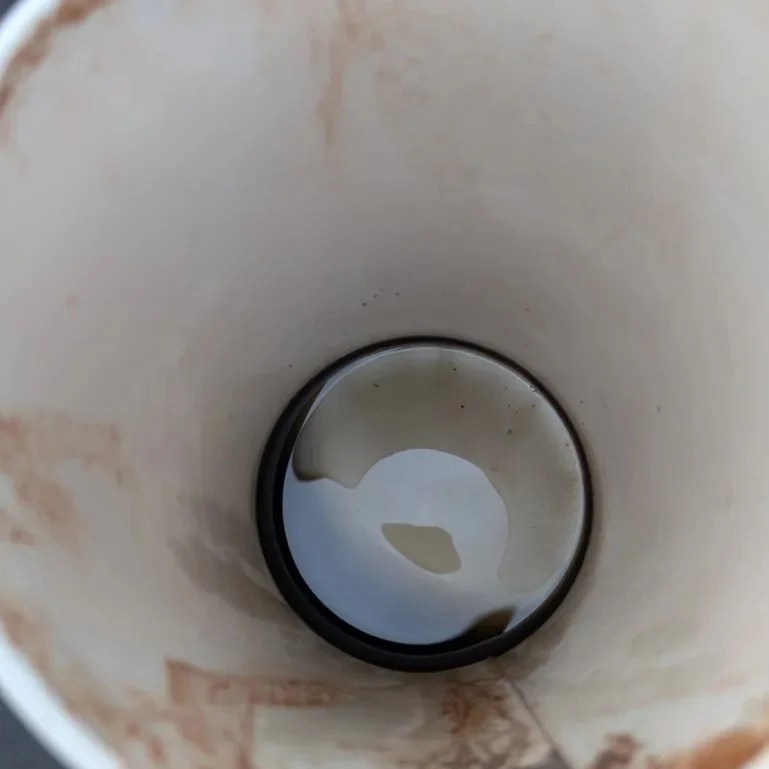
Other than that, most things were looking great mechanically, I just had to chase down some fluids escaping their homes.
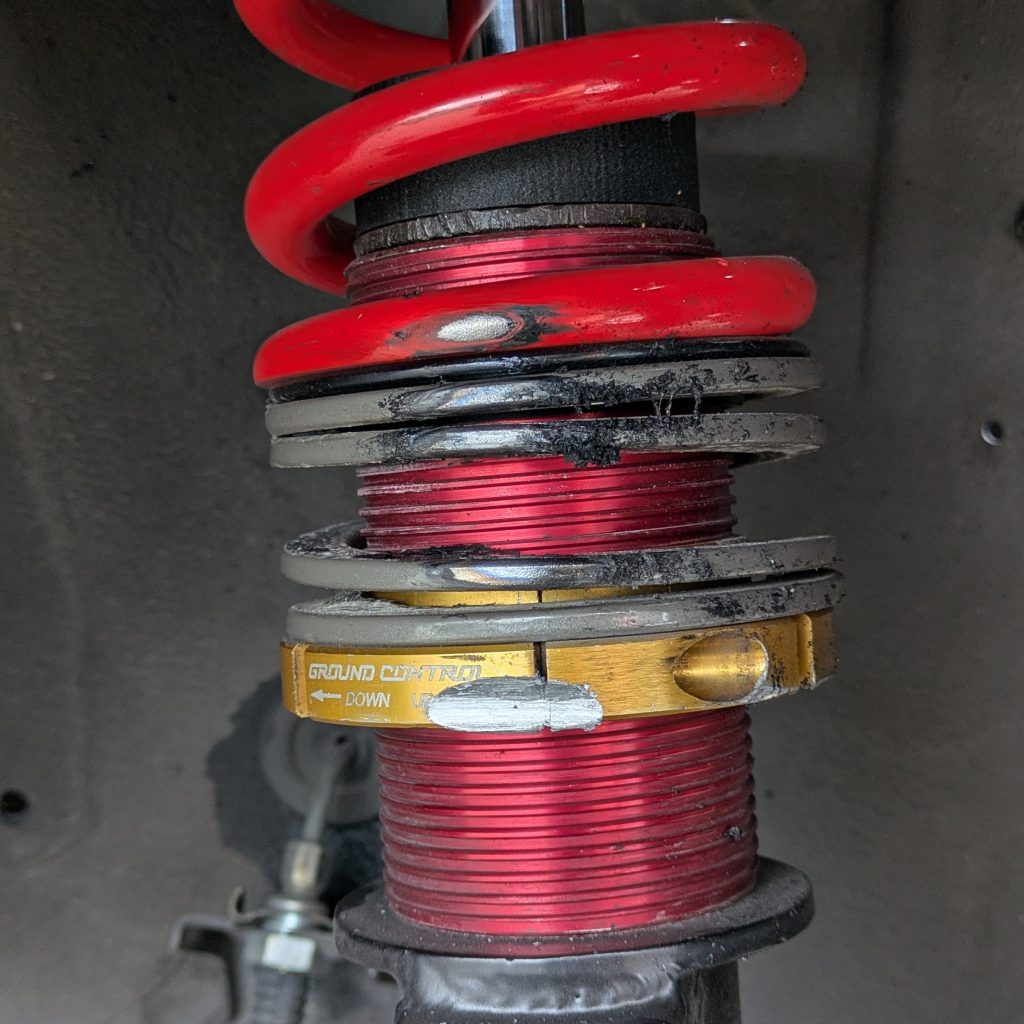
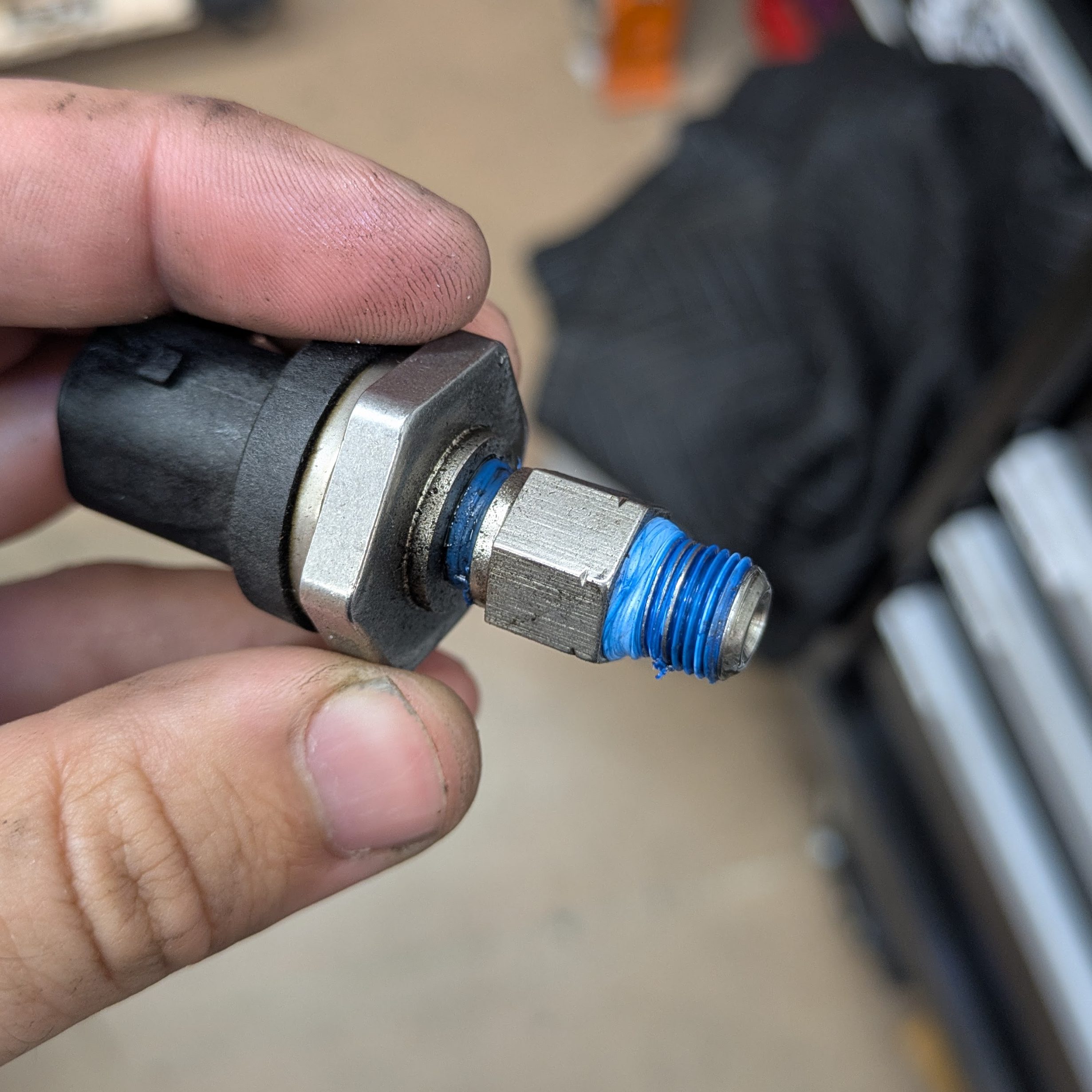
The coolant and oil coatings had returned. I tracked a notable oil leak down to the adapter fitting for the CPTS and opted to replace the inadiquate teflon tape for some Permatex Seal and Lock, which is thread sealer and blue loctite combined. The coolant exiting the Chasebays resovior annoyed me enough to switch to a proper OEM style overflow tank from GKTech, in an effort to track the level accurately and have the increased capacity. With the engine bay cleaned up once again, the rear differential had the same coating of oil as prior weekends, so that was cleaned as well.
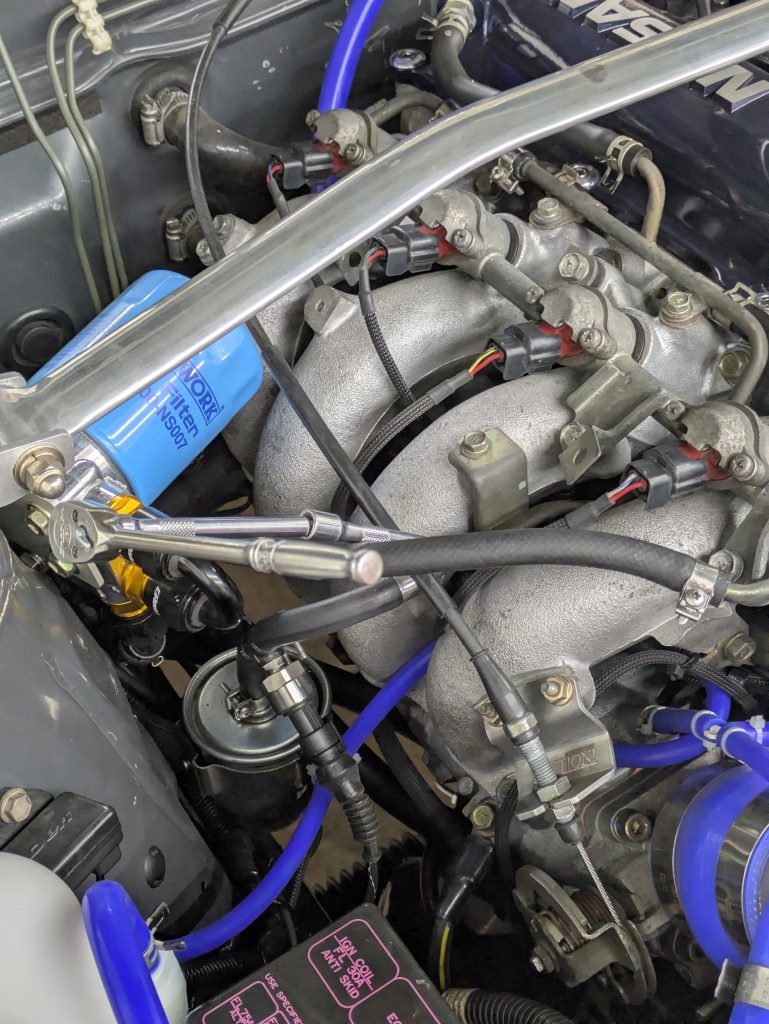
I pressure tested the system and found that one of my brand new Nissan clamps on my brand new Nissan hose was violently leaking coolant at high system pressures (around 18PSI). This explained the re-bleeding that was necessitated only at the track. I had oriented the clamps strategically for access, so I could get to it, but I can’t say it didn’t require some weird tools.
With a few more street miles on the car, and a few more coolant bleeds, the bubbles were still showing up. Not ideal.
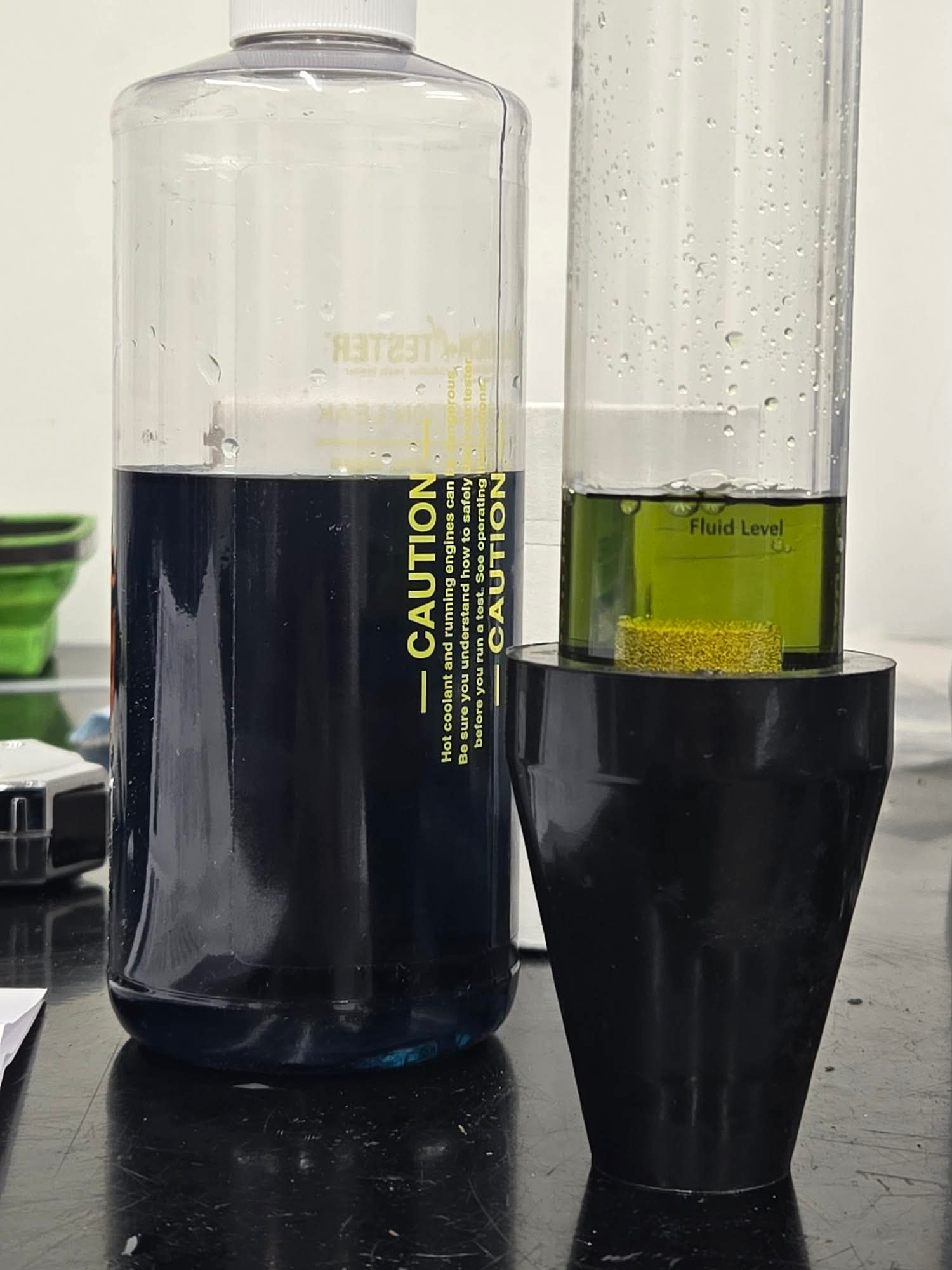
In response, I grabbed the tool I really didn’t want to have to use. Unfortunately, all signs pointed to my inability to bleed my system being a pocket of hydrocarbons, not air. Sure enough, the head gasket was slightly compromised. I validated with a few control tests because I didn’t want to believe it, but all signs pointed to a head gakset at the beginning of degradation.
I’m not exactly sure what caused it. The two leading theories were either 1. we lifted the head on the dyno chasing 300whp on a really hot day, which is very unlikely as the car has a Cosworth head gasket and ARP studs, and the T28 realistically cannot generate the cylinder pressures required to displace the head or studs. The second, and more believable theory, is that hose under the intake manifold was letting a ton of coolant out and replacing it with air. This air pocket could have become steam on track and superheated a corner of the cylinder head, warping it and compromising the gasket’s ability to seal.
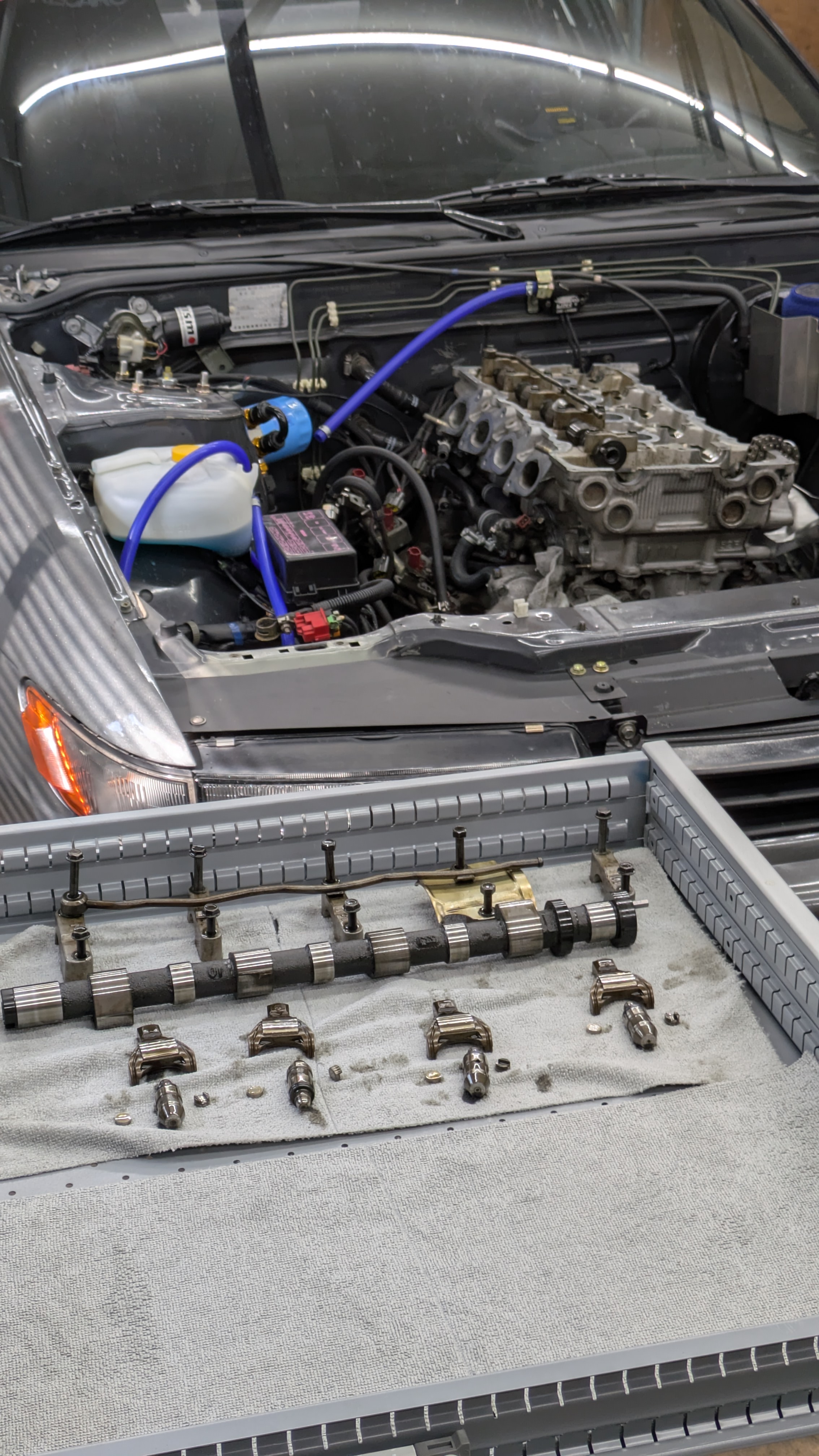
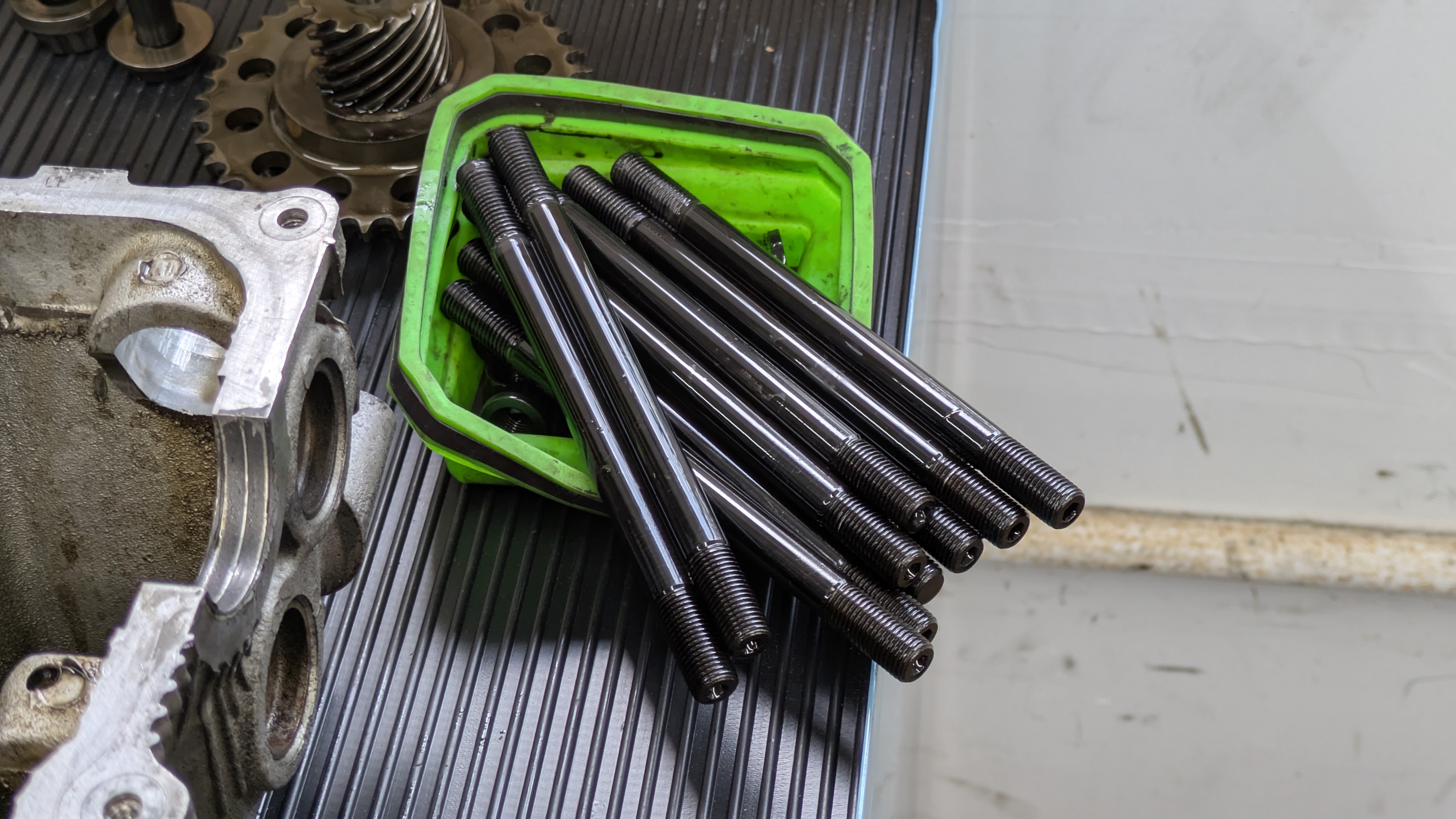
Regardless of the cause, I know the root of the problem now, and it is evident that the cylinder head must come off. To avoid scope creep, I am only doing the essentials while in there: the head will recive a resurface and an Apexi head gasket (JP_S14 approved), and the block will receive the Mazworx version of the ARP head studs if it does not already have them.
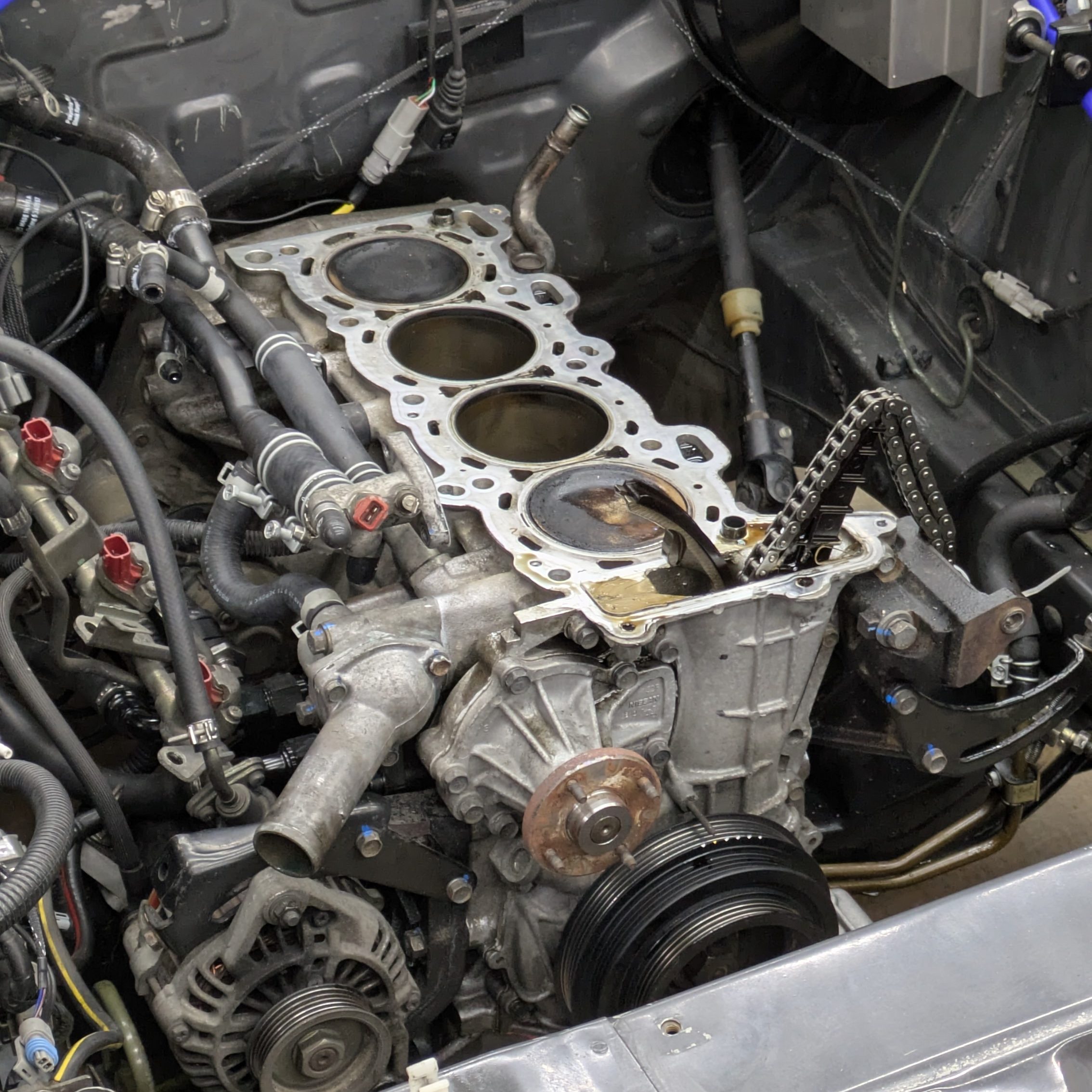
While a major bummer, I’m glad I caught it well before things went super south. The fact that it is a 1 way leak only with the combustion chamber into the cooling system means I am not worried about damage to oiled components, and while no simple weeknight job, the head came off in a few hours.
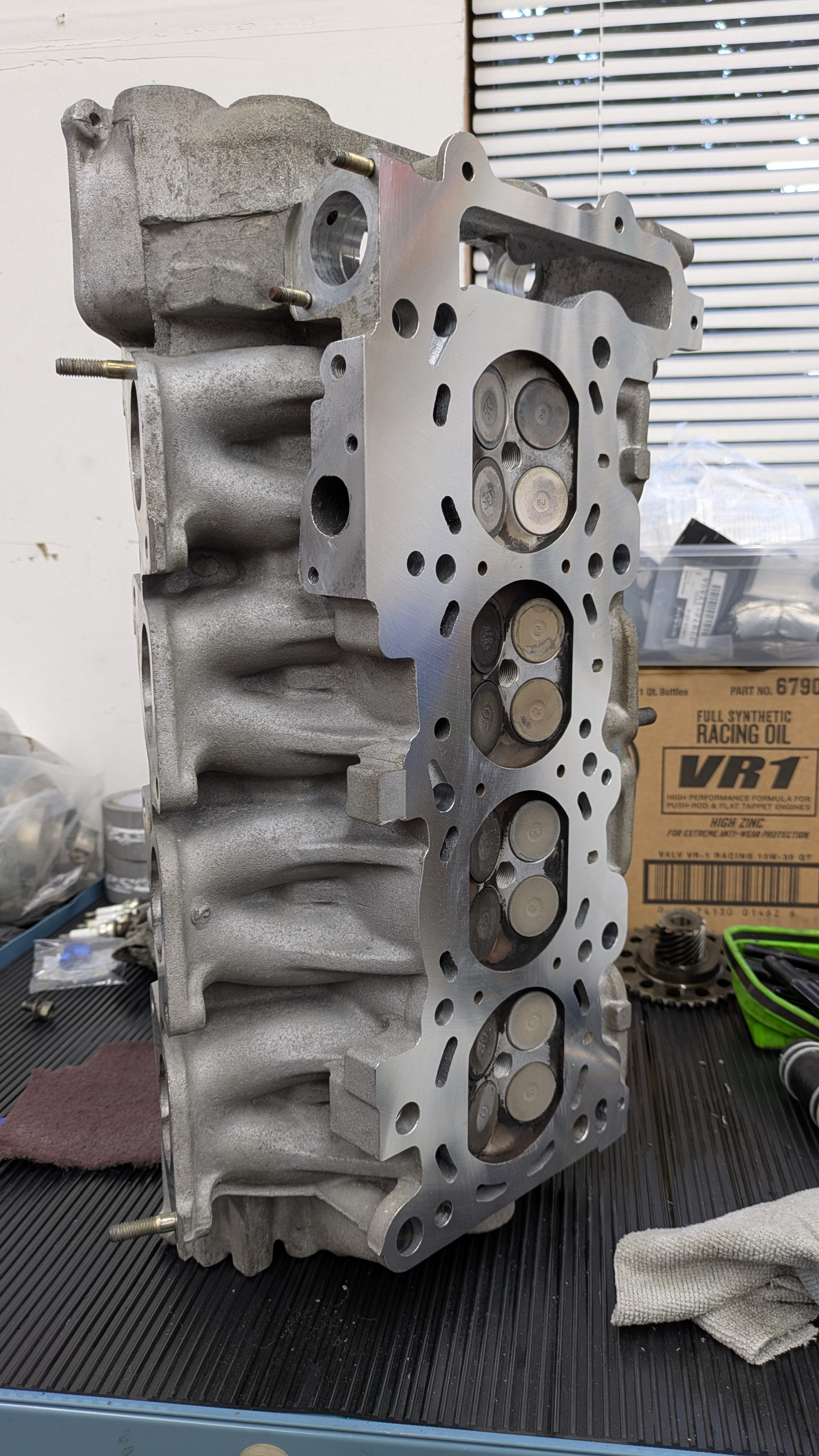
I’m fortunate enough to have a reputable automotive machine shop down the street from work, and after a 24 hour stay, my head was resurfaced and ready for pickup. They confirmed that nothing was warped or severely degraded, but after cleaning the deck surface of my block and placing the head gasket on, I pulled the head out of it’s bag to find this:
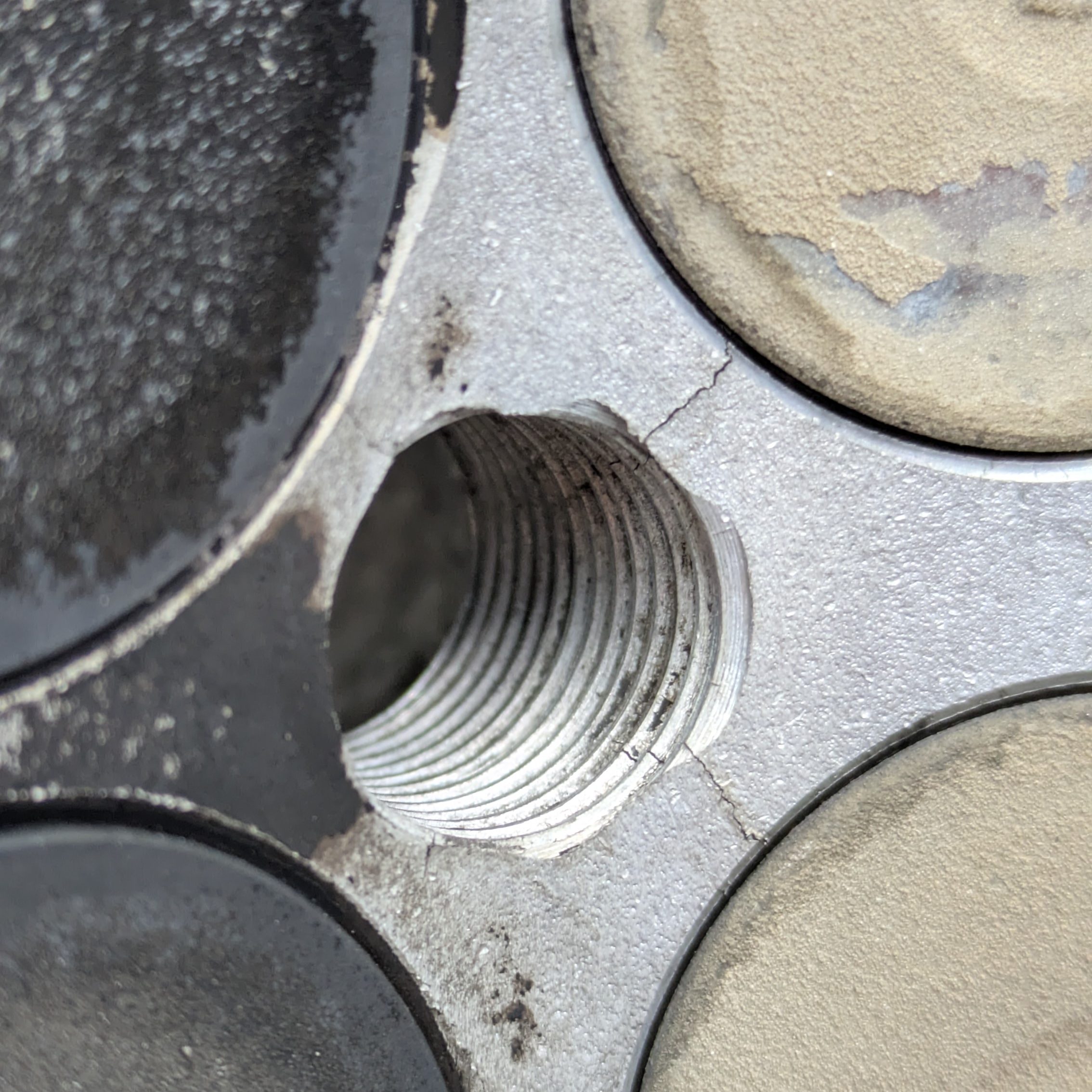
Very defined cracks, propagating from the valve seat to the spark plug threads, in every single cylinder. Man, what a fucking bummer. This is the likely result of an over-torqued spark plug.
I was immediately down in the dumps, but almost expected this to happen given my cumulative experience with this hobby. My immediate concern went to loosing press fit on the valve seats, and potentially dropping a seat during hard expansion and use. I started searching for a cylinder head and putting feelers out, knowing I was done for a while if I had to replace the entire head core.
I ended up speaking to a couple of different people who specialize in aluminum cylinder heads, and the consensus was: if it doesn’t leak pressure, send it. It is super common on Subaru motors as the edge margins are even worse. I dropped it back off at my machine shop to have it pressure checked (which they graciously did for free, as they also missed it), and it passed no problem. It doesn’t make me feel great if I am totally honest, but I do have to stand on the wisdom of those before me, and at some point, just let life run it’s course.
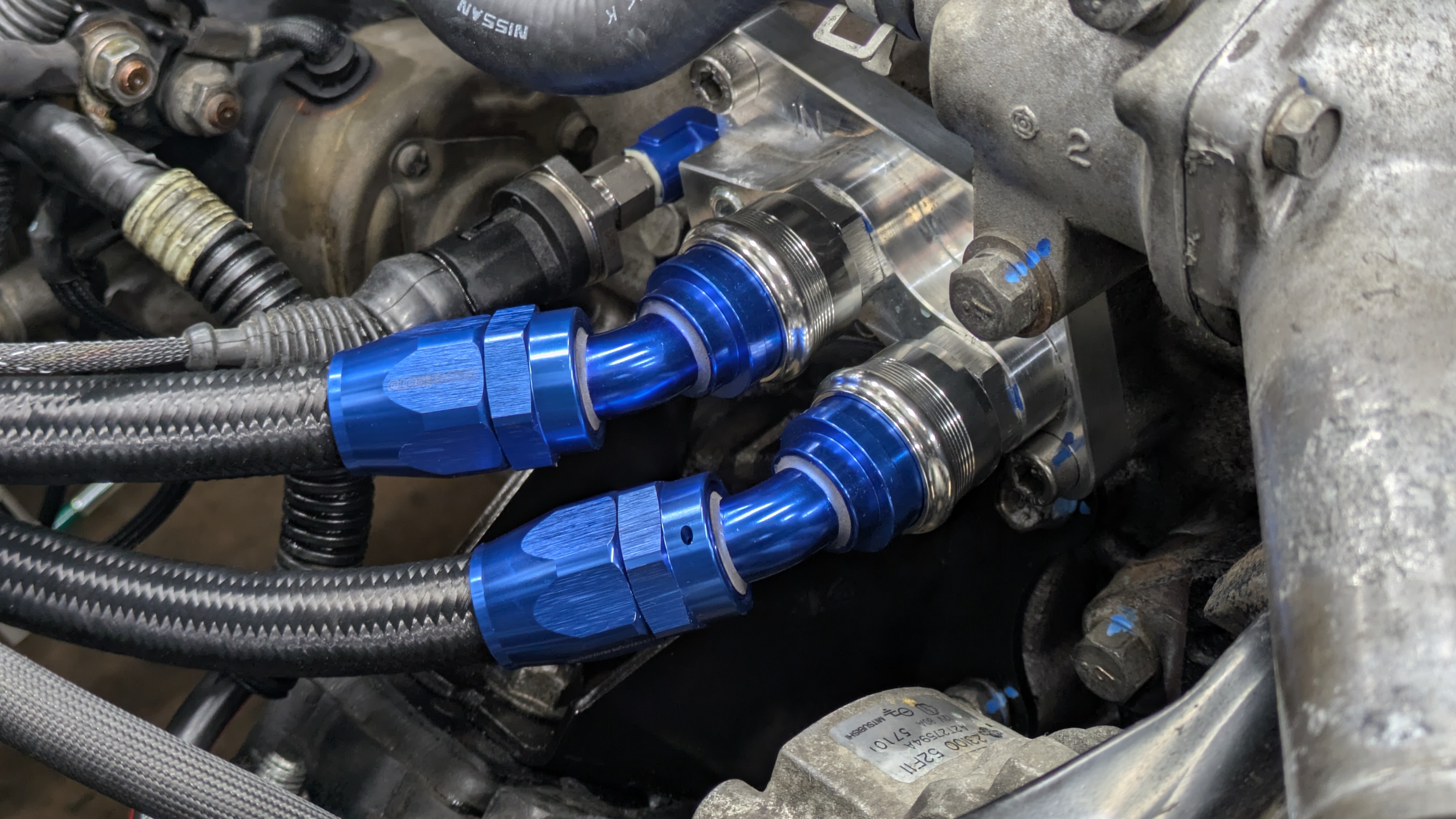
I elected to make a few changes to the oiling system while the cylinder head/intake manifold were off as it allowed really good access. When I put the motor in, I had installed this Mazworx billet oil filter adapter housing to relocate the filter to a more serviceable location while also giving oil cooler provisions (which I will be adding shortly). That oil line situation was suboptimal and my singular serviceability complaint about the car, as the space was so constrained that it was difficult to be confident in how tight the fittings were. There was also a sensor adapter -10AN fitting for my Bosch CPTS, which is an effective solution, but only compounded the failure points and stuff I had to ensure was tight. The initial install of these lines took over an hour as I had to go purchase imperial crow’s foot wrenches just to tighten them. All of this made me dread working on this system of the car, and everything else was serviceable, so something had to change.
The CPTS relocation was easy, as the Mazworx block outlet had two 1/8th NPT sensor provisions in it already. Neither worked with the big fat Bosch sensor as-is, as I wanted to be able to remove the starter without interference. A 90 degree fitting(in blue of course) found it’s way on with plenty of Seal-n’-Lock, which laid everything out perfectly for future access.
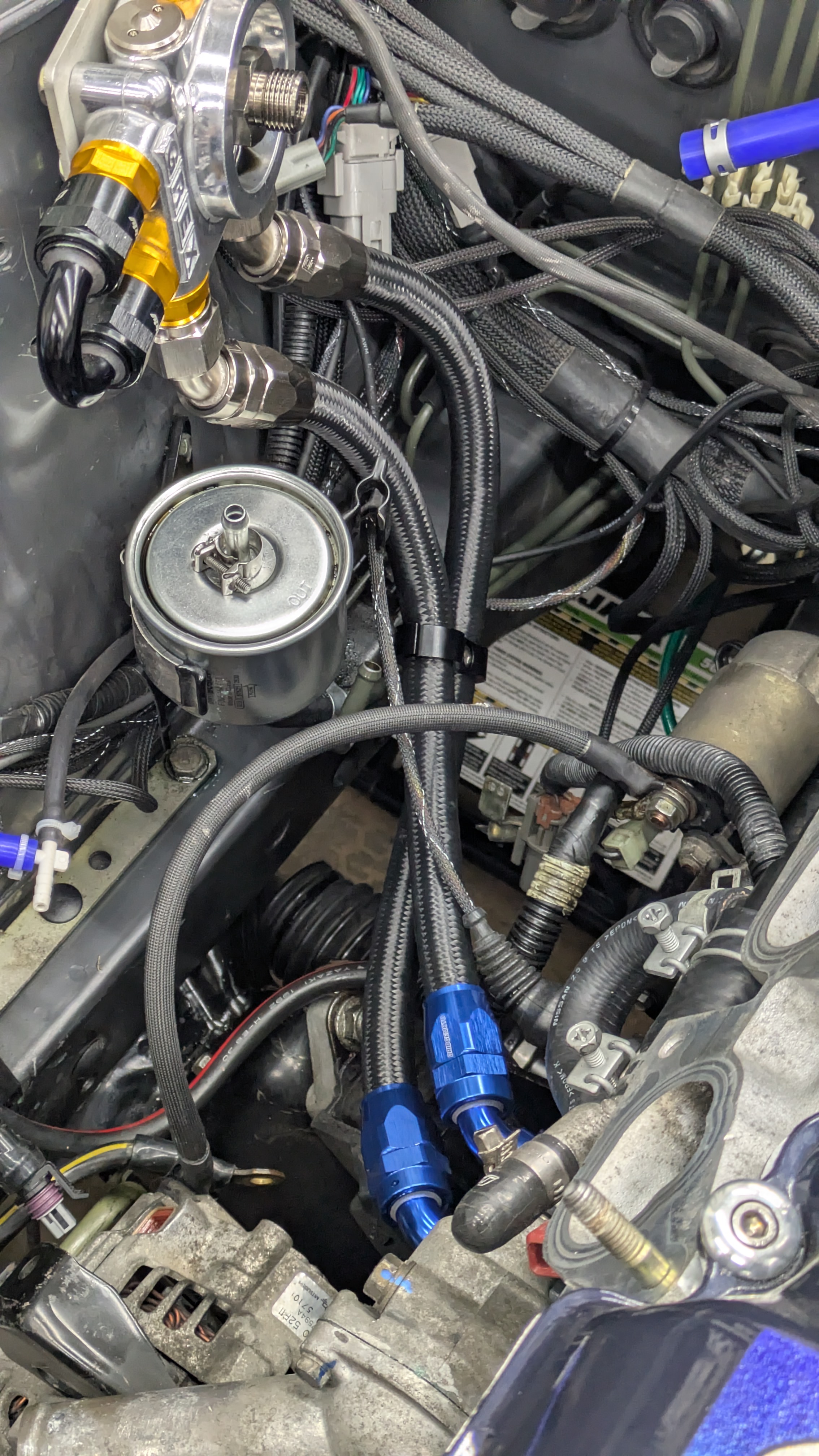
On to the lines themselves: there is only quick disconnect AN option that I am aware of, and it is a pretty modern innovation. I’ll give credit where it is due to Brendan McGrath of Dyme PSI for coming up with what has become the industry standard for QD style AN fittings. These are spring-loaded ball latching AN fittings that utilize o-rings and are infinitely reusable and much faster to service than a traditional AN B-nut fitting, especially in a location like this. The two most important things to me about these fittings were their reliability and their positive feedback when they are secure, something of vital importance given my limited access to this area.
In this world, no good idea goes uncopied, so there are a lot of these options on the market. I was ready and willing to support Dyme when I went to buy these, but unfortunately, the fittings were out of stock, and I want to drive my damn car. Thus, an alternative had to be found. It was between the Greddy ones (Dyme PSI supplied, but gold instead of pink) or these Bridgemoto ones. Frankly, these won because they were blue, and they were just released so they came floating across my Instagram. I’ve followed Alan for many years since the Touge Techniques days, and after seeing plenty of publicity on the Greddy setup, I opted to go with the little guy.
I couldn’t run the Bridgemoto fittings on the Greddy oil filter housing as they were a proprietary thread and not -10 ORB, so I opted for Russell Endura line fittings. Nothing special, and again, honestly picked for color and reputation. Something nice and simple to blend in.
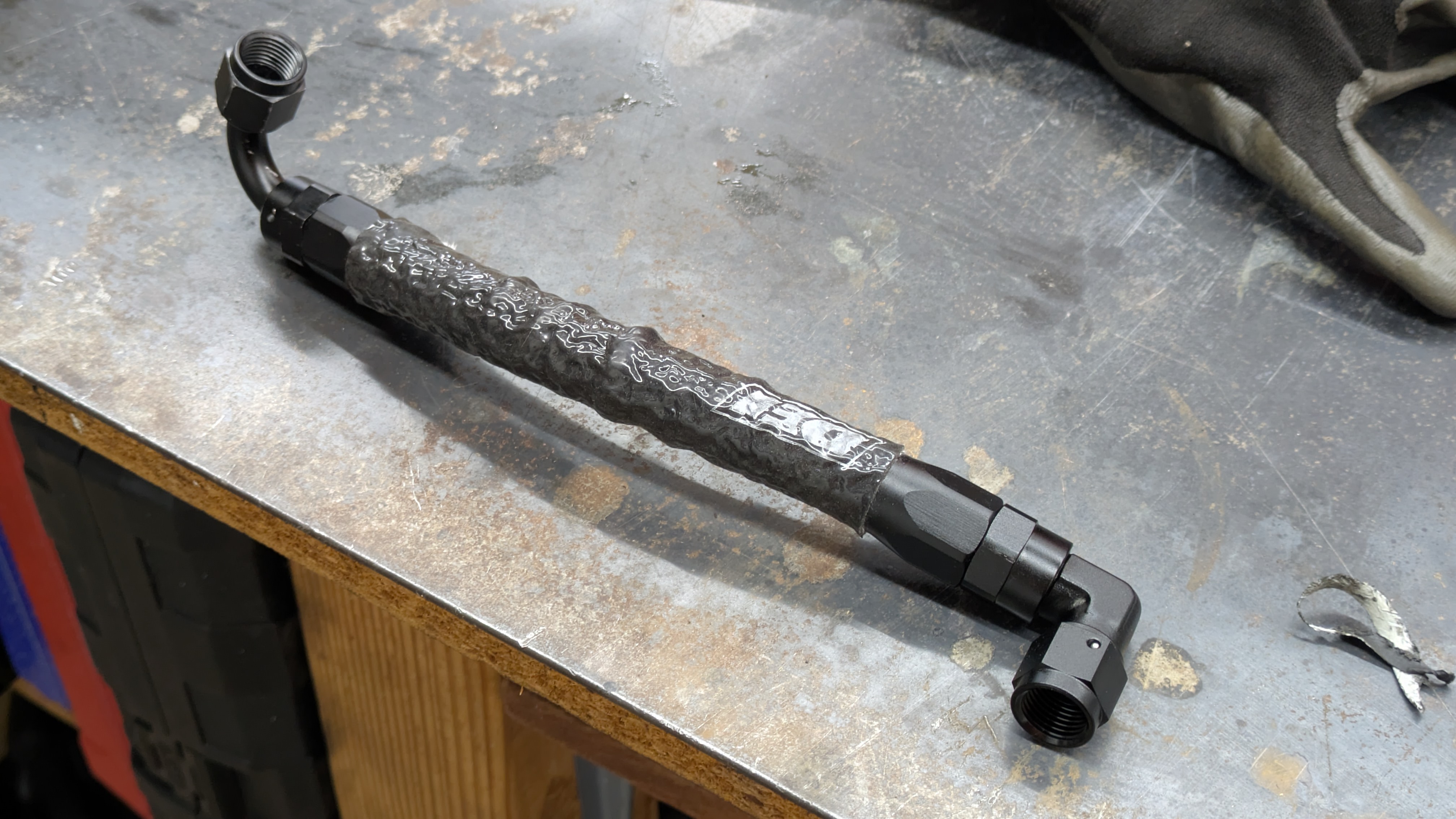
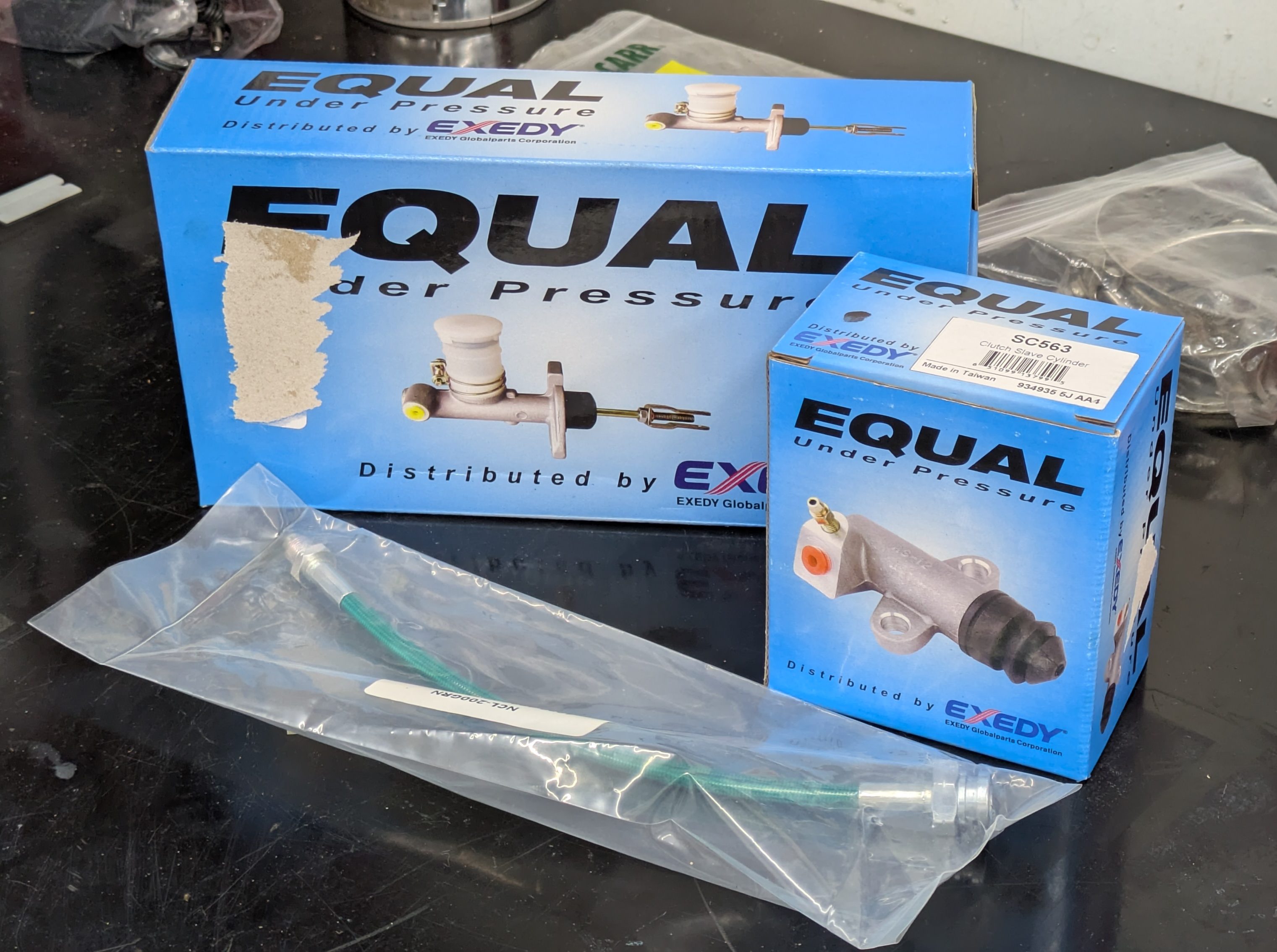
Ever since putting this car together, the clutch has always felt terrible. It shouldn’t, because its a Nismo Coppermix with all of the correct parts, but it does. I had already replaced multiple master cylinders chasing a weird behavior, but when I had a little bit of extra time, I decided to throw the whole system at it. That way, if it isn’t one of these, I know its something inside the bell housing. The GKTech line was replaced with an Enthuspec line, and the cylinders were OEM Exedy. The fluid was also entirely swapped for the same Project Mu that is in the brake system. I’ve since narrowed it down to definitely something about the clutch itself, but it is improving with time, so I’ll let it be.
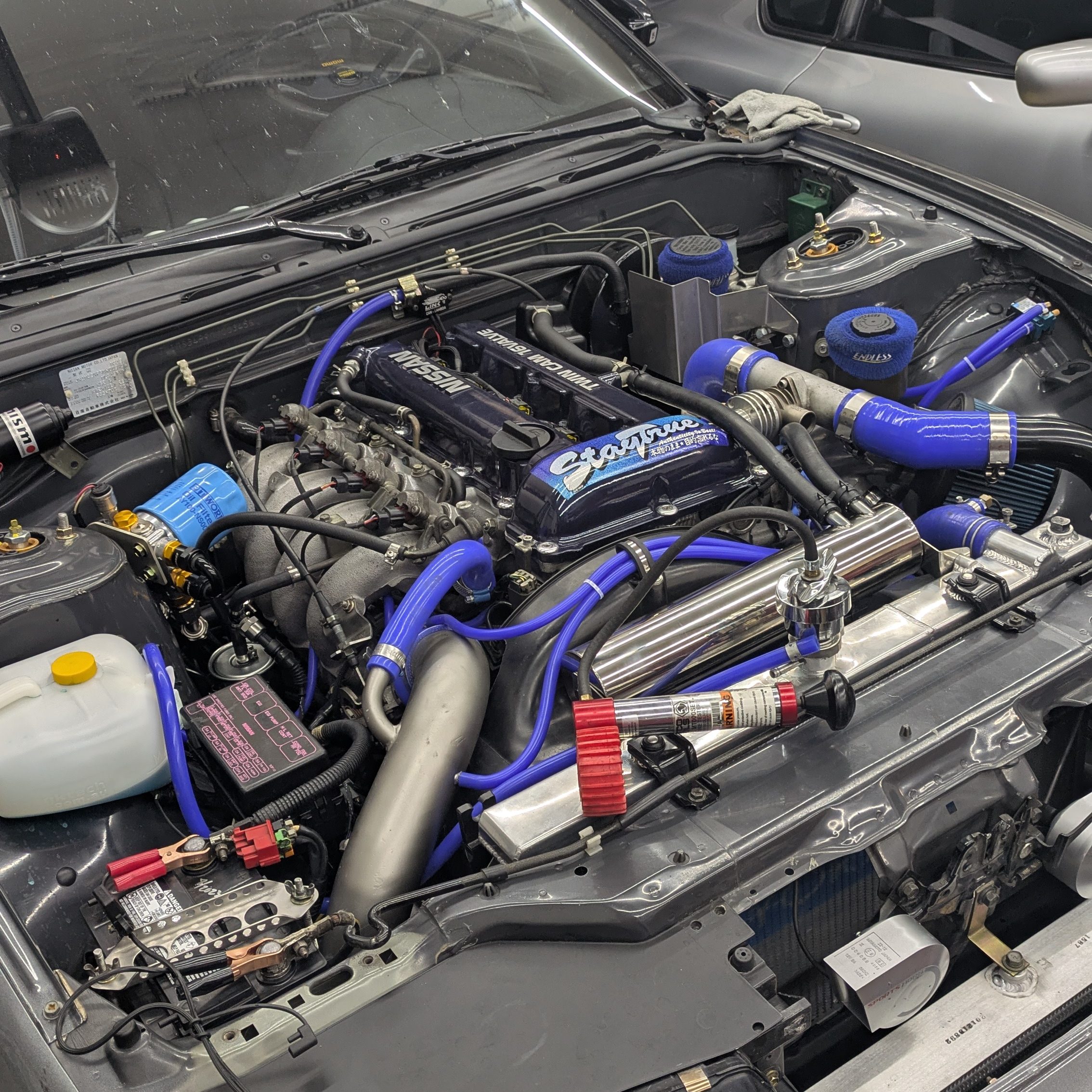
With the new plumbing and side quests wrapped up, the rest of the car flew together. I opted to reuse the old ARP head studs as the Mazworxs ones were backordered with no ETA, and again, I wanted to drive my car. They were all in good shape, and installed fine, so I’ll let it be.
All the effort to make the car serviceable really paid off in this whole ordeal. The car fired up with no hiccups, and after a base timing check, it was back on the road.
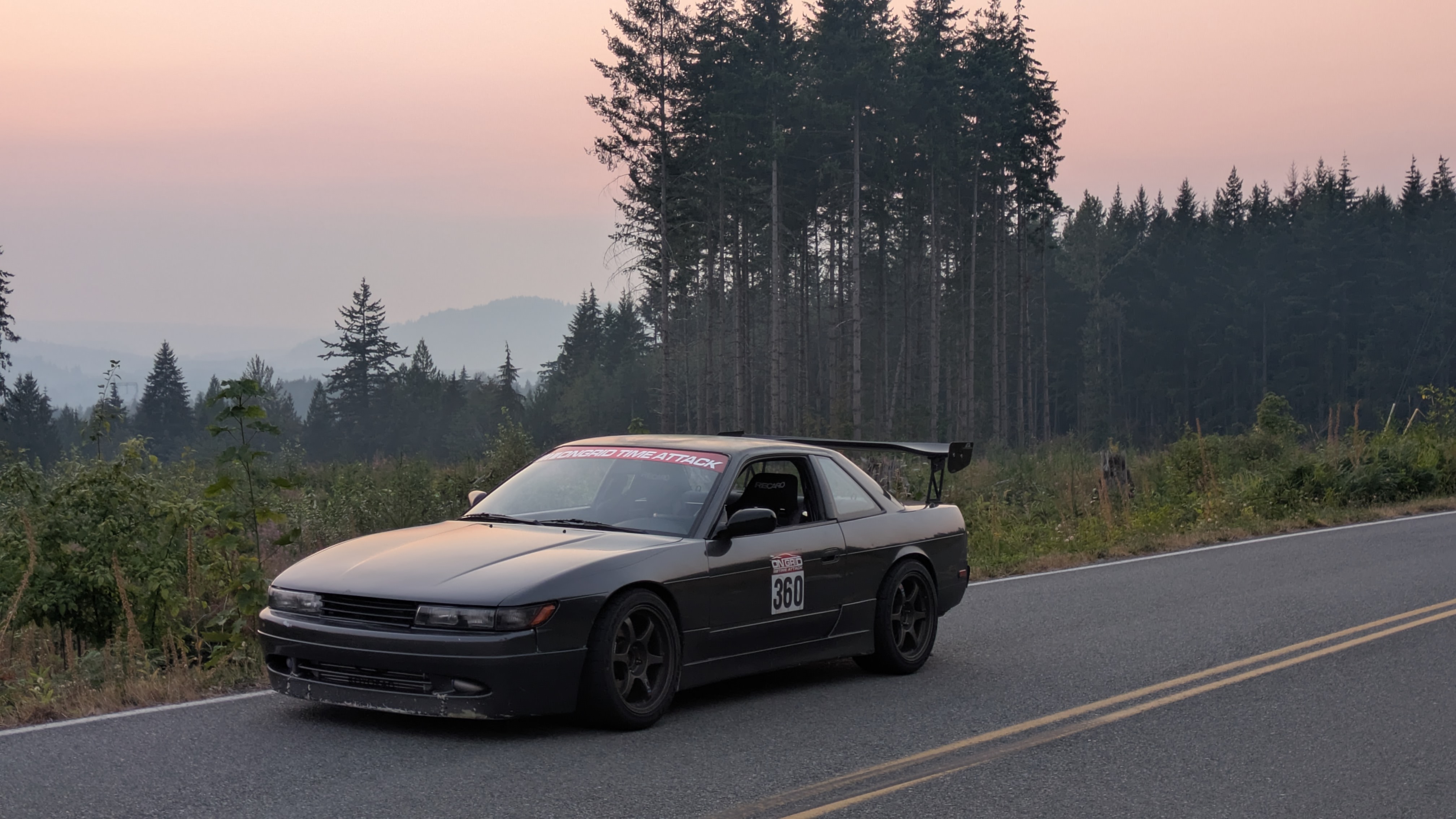
With the car over the hump, the teething issues showed up: broken VSS, bad fuel injector plug in the WS harness, dead on arrival spark plugs, a fairly wonky fuel gauge. All dumb old car things, but annoying given how much effort has been put in up until this point. Most of them have been resolved, but it’s definitely one of those “stuff takes time” reminders.
This came at the best time it could as well. I had pretty much hung up the idea of driving a bunch more events by this point after the track weekend even before the head gasket discovery, as I wanted to get my finances back in order coming into winter. Is it the fun option? No. But at some point I have to realize that this car has done a pretty spectacular job of blowtorching my wallet, and I’d like to get back to a more economically responsible state.
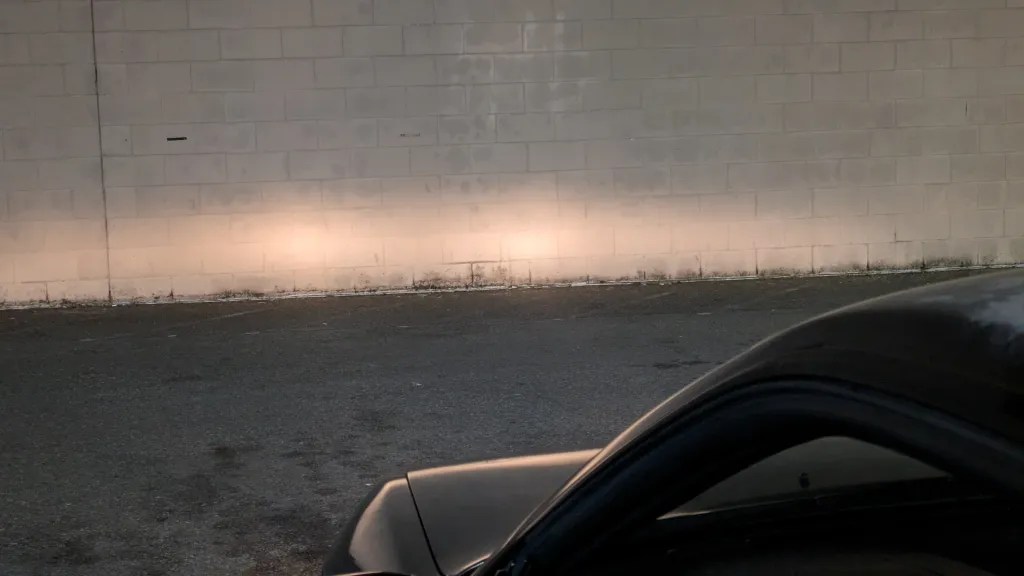
Even without move events, I’ve been making slow iterations on making it a better car to use in normal ways. I took the time to aim the headlights and fog lights, which completely transformed the usability after the sun goes down. I’m trying to lower barriers to entry to driving it as much as I can, and I have used the car a lot more as a result.
I titled this article “Assumptions Kill” as it is a simple phrase I had lived by for a long time. I assumed the pressure test and vacuum bleed would be enough to verify the system would be sealed indefinitely. I was wrong. I assumed the brake pads would last all weekend without periodically checking wear on them. I was wrong. I assumed the machine shop had done a deep and comprehensive inspection, etc. Trust but verify; The “it’ll be fine” mentality expires with really expensive consequences.
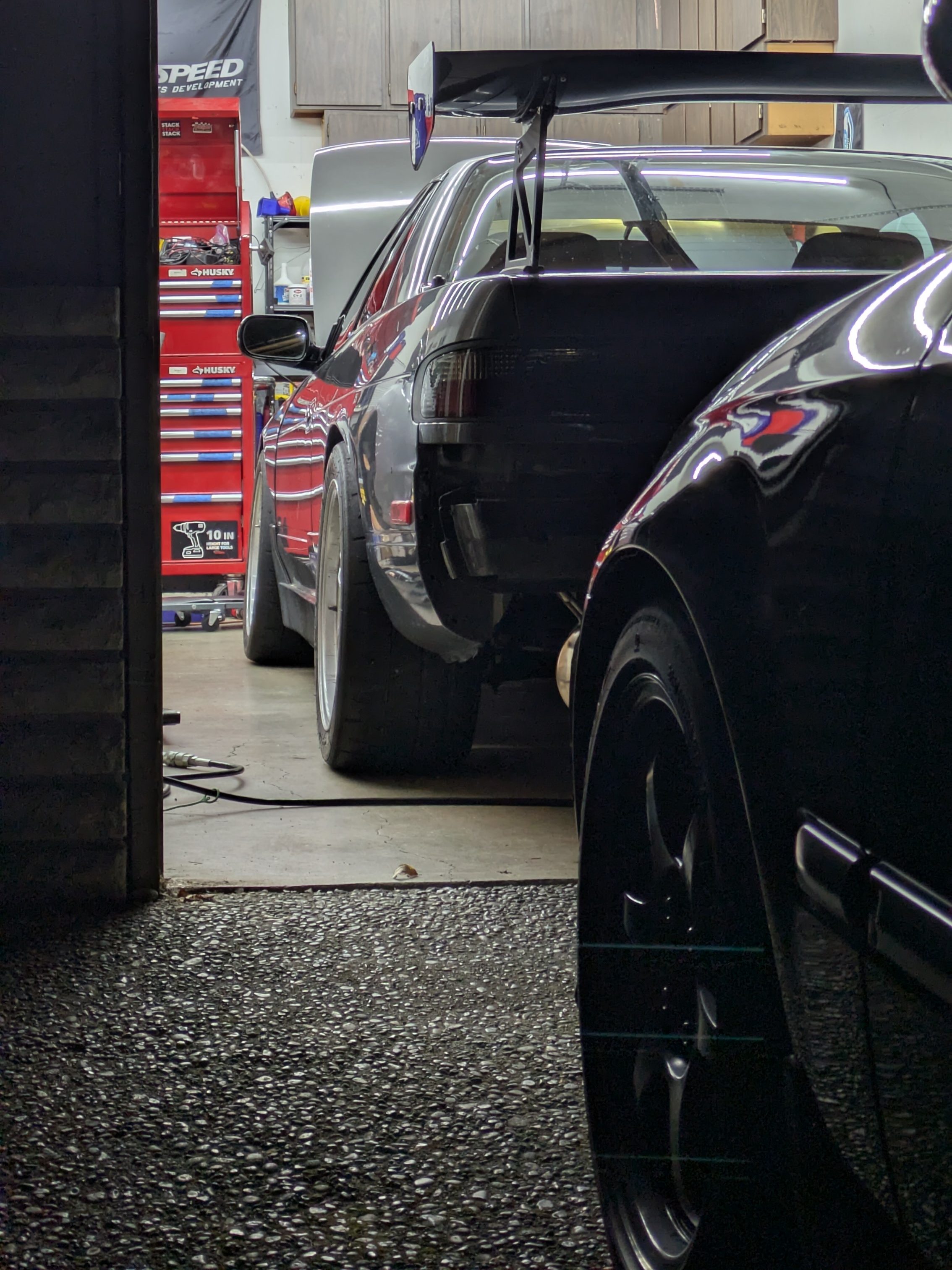
Well, time for more street miles before the weather turns frigid. Winter wrenching will bring some granular refinements, and I can’t say I’m not looking forward to it. Summer recap article coming soon.
Until next time.

